• Almost all of the following architectural and urban history publications are peer-reviewed.
    They are republished in full on my website, so as to guarantee public access by people outside academia. Contact me.

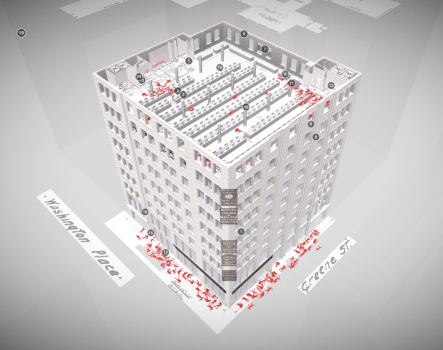
Time-lapse Animation of Triangle Shirtwaist Factory Fire

Based on court transcripts, eye witness testimonies, primary sources, and historical maps, this animation reconstructs the workplace conditions and abuses that caused the Triangle Shirtwaist Factory fire. This fire on 25 March 1911, killed 146 garment workers and represents a turning-point moment in the history of organized labor in America. This project is the first – and only – accurate-to-the-inch virtual reality model of the entire factory floor. VIEW PROJECT >

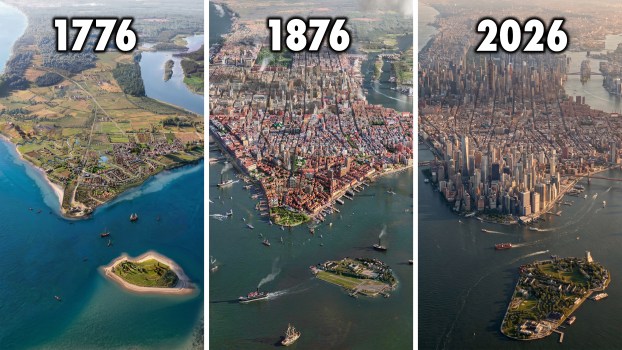
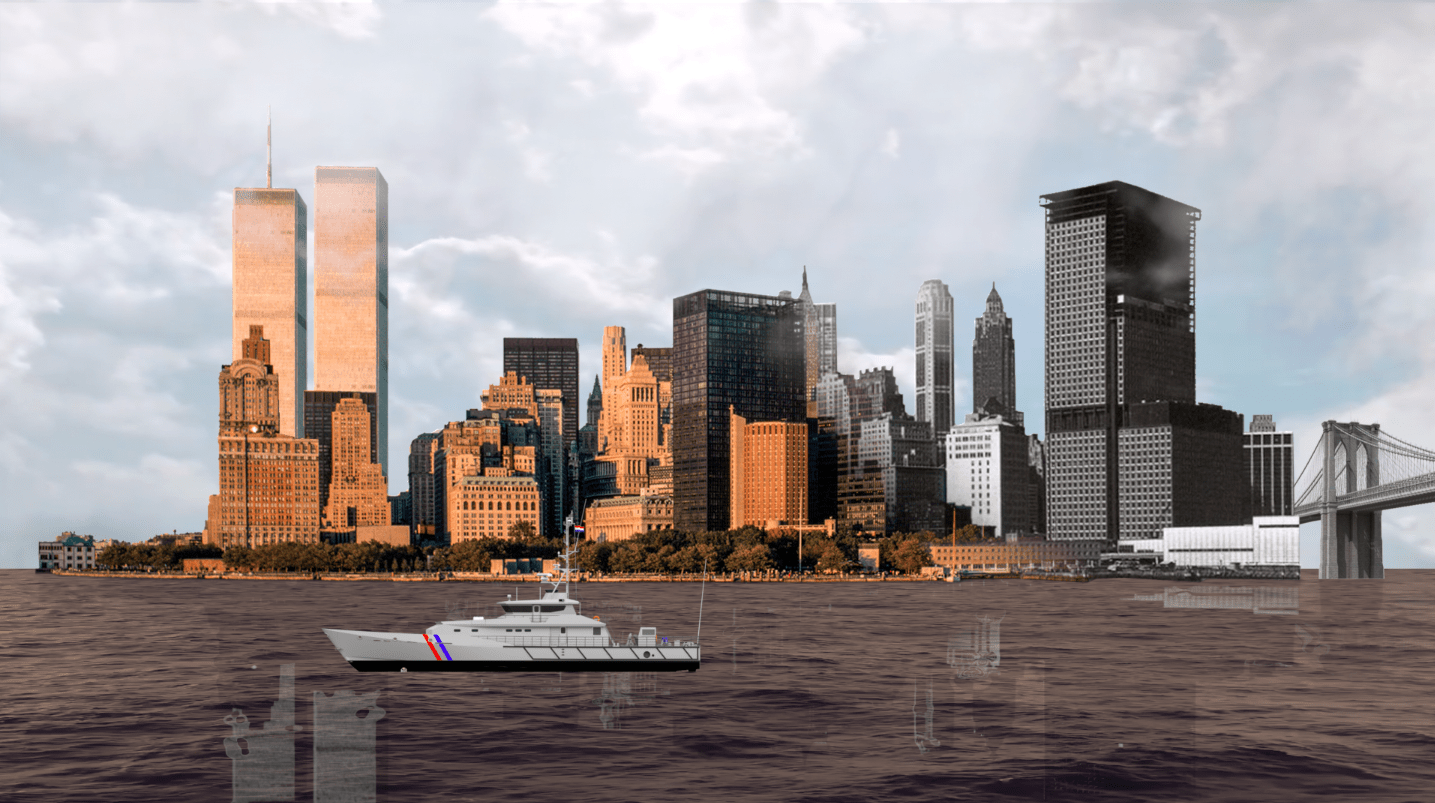
The time-lapse history of Manhattan in two minutes

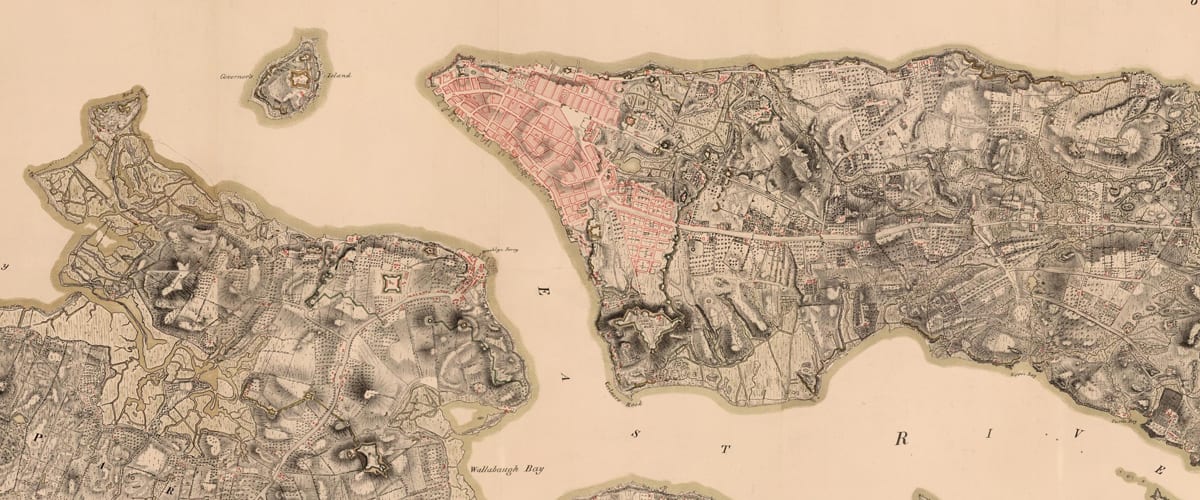
This two-minute time-lapse film illustrates the 400-year transformation of Lower Manhattan from a Dutch village to a modern metropolis, highlighting the impact of new technologies on evolving methods of urban representation. The film draws from seventeenth-century drawings to modern photography, showcasing how each generation perceived and depicted through art the city’s growth and the changing world around them. VIEW PROJECT >

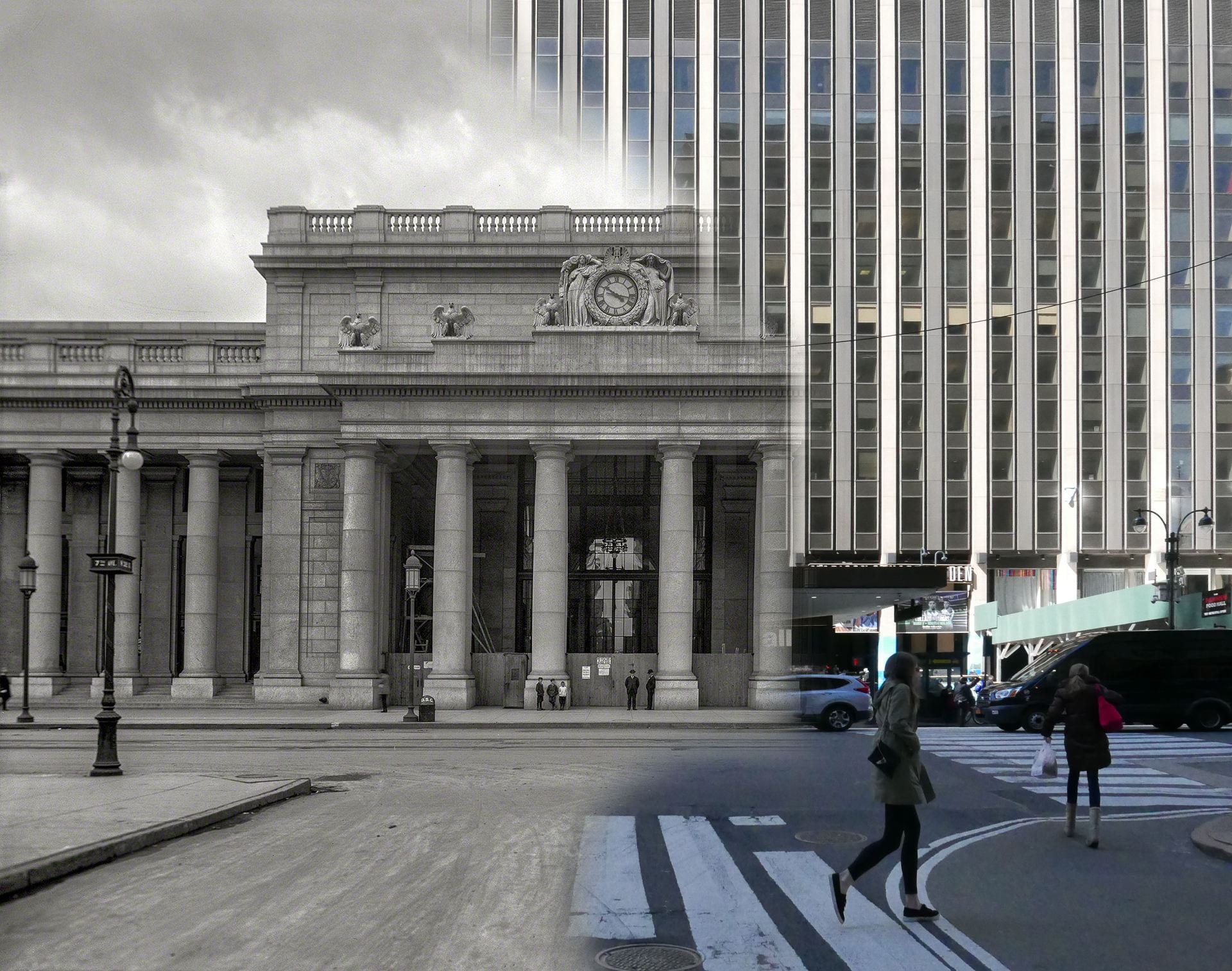
Excavating Old New York Penn Station

In this computer model and series of image comparisons of past and present, I walk viewers through New York Penn Station. I identify the current and contemporary camera angles from which historical photos were taken in 1911.

The accompanying historical essay explores the historical significance and transformation of this trains station. Originally a grand architectural masterpiece from 1910 that embodied neoclassical design and values, the station was demolished in the 1960s, in order to build a modern structure that lacks its predecessor’s grandeur. VIEW PROJECT >

New York City Water Supply: animated history

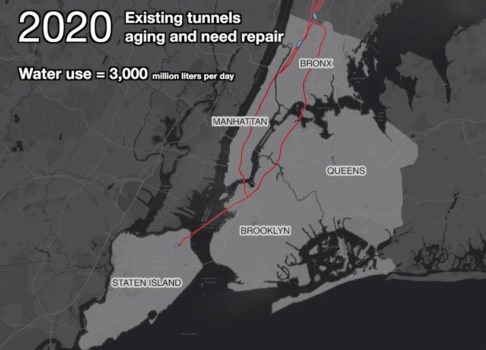
This film uses time-lapse cartography from the 19th-century to the present to highlight the city’s ongoing struggle for clean water amidst growing urban challenges. New York City supplies unfiltered drinking water to nine million people, sourcing it from 2,000 square miles in Upstate New York through extensive aqueducts. This vital infrastructure, while integral to the city, remains largely unnoticed and buried just beneath our feet. VIEW PROJECT >

New York City in a Box

Inspired by the Stettheimer Dollhouse at the Museum of the City of New York, I created this pop-up model of New York City in a box. Measuring 8.0 by 15.5 by 2.5 inches (20 by 40 by 6 cm), this paper craft model showcases 30 hand-cut paper and tin buildings. A hand-cranked mechanism moves magnetized trains and airplanes through a hand-painted and imaginary landscape of New York City streets and neighborhoods. VIEW PROJECT >

Here Grows New York City

Here Grows New York is an American urban planning film directed by Myles Zhang and advised by urban historians Kenneth T. Jackson and Gergely Baics. The data visualization uses time-lapse cartography to follow the history of New York City’s infrastructure and street system development from 1609 to the present day. The video quickly went viral, gaining over five million views. The film is used in dozens of architecture and urban planning classes about the history of the urban form. VIEW PROJECT >

New York City Subway Ridership Patterns

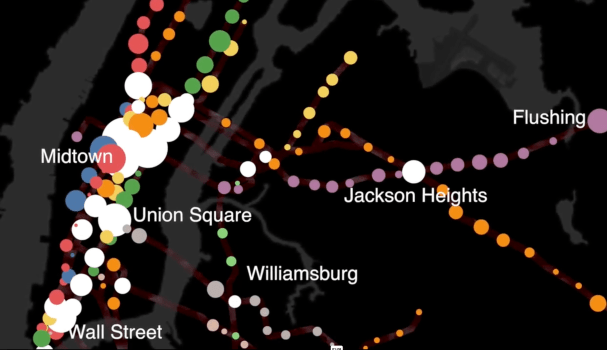
The MTA’s 424 subway stations and 665 miles of track are analogous to the human circulatory system. Every weekday pre-coronavirus, the subway carried 5.4 million people, mostly commuters. This daily commute is ordered, structured, and rhythmic – as Manhattan’s population swells during the daily commute and then contracts by night. Each passenger symbolizes the movement of a single red blood cell. With each paycheck, the oxygen of capitalism flows from the heart of Manhattan to the cellular homes in the outer boroughs. VIEW PROJECT >