Interactive time-lapse map about construction of the Auschwitz-Birkenau concentration camp
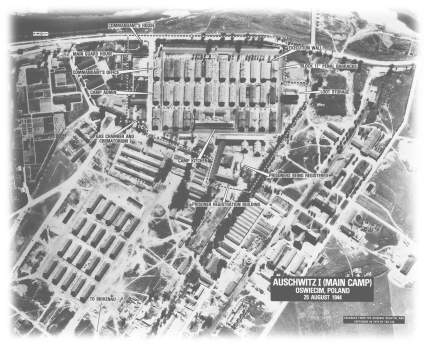
This project utilizes georeferenced historical maps and time sliders to document the transformation of the region around the Auschwitz-Birkenau concentration camp from 1945 to today. The interactive map highlights the selective preservation, demolition, decay, or adaptive reuse of significant camp structures linked to the Holocaust. The project uses interactive time-lapse cartography to inform public understanding of the Holocaust and the landscape of tragedy it produced. VIEW PROJECT >

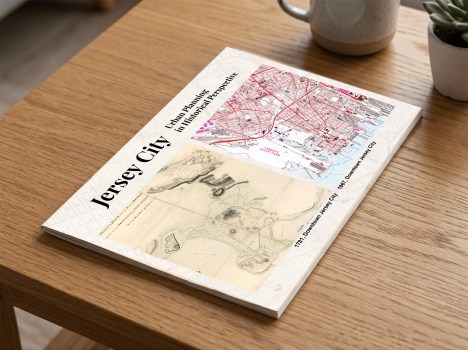
Jersey City: Urban Planning in Historical Perspective

This project was commissioned by the Jersey City Public Library to be used as an educational tool about the history of land use law and city planning, from 1900 to today. The project overlays citywide maps of every building in 1873, 1919, and today – to reveal changing land use patterns. The project also includes a PDF booklet about Jersey City’s six master plans, each of which captures the spirit of the city and the governing philosophies of city planners at the time. These documents reveal the city’s evolution in response to urban challenges and broader themes in U.S. urban history. VIEW PROJECT >

Eastern State Penitentiary Construction Sequence

This time-lapse animation with audio narration uses the tools of virtual reality to reconstruct the appearance of Eastern State Penitentiary during each year of its 148 years of operation from 1823 to 1971. This reconstruction is based on original plans and primary sources about the jail’s architecture. It uses film to reveal how the building’s envelope was expanded and modified each decade in response to evolving design philosophies, public attitudes towards incarceration, and the ever-expanding size of today’s carceral state. VIEW PROJECT >

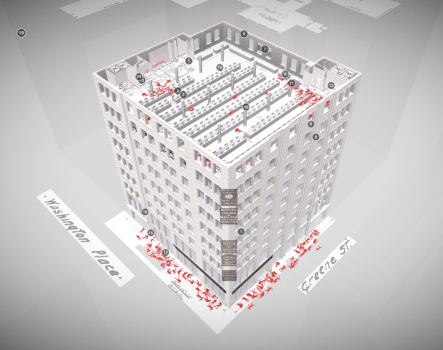
Time-lapse Animation of Triangle Shirtwaist Factory Fire

Based on court transcripts, eye witness testimonies, primary sources, and historical maps, this animation reconstructs the workplace conditions and abuses that caused the Triangle Shirtwaist Factory fire. This fire on 25 March 1911, killed 146 garment workers and represents a turning-point moment in the history of organized labor in America. This project is the first – and only – accurate-to-the-inch virtual reality model of the entire factory floor. VIEW PROJECT >

Cathedral of Beauvais: Sublime Visions; Thwarted Ambitions; A Sketch

Created with Stephen Murray and published by Columbia University’s Department of Art History & Archaeology. Beauvais Cathedral, the tallest Gothic cathedral in France, began construction in 1225 but was never completed due to major collapses in 1284 and 1573. This animation chronicles its ambitious yet troubled history, showcasing its design intricacies and centuries-long phases of construction, ultimately highlighting the challenges of architectural construction during medieval times. VIEW PROJECT >

Optimizing Architectural Models for Display Online

Difficulty Level: Intermediate to Advanced.
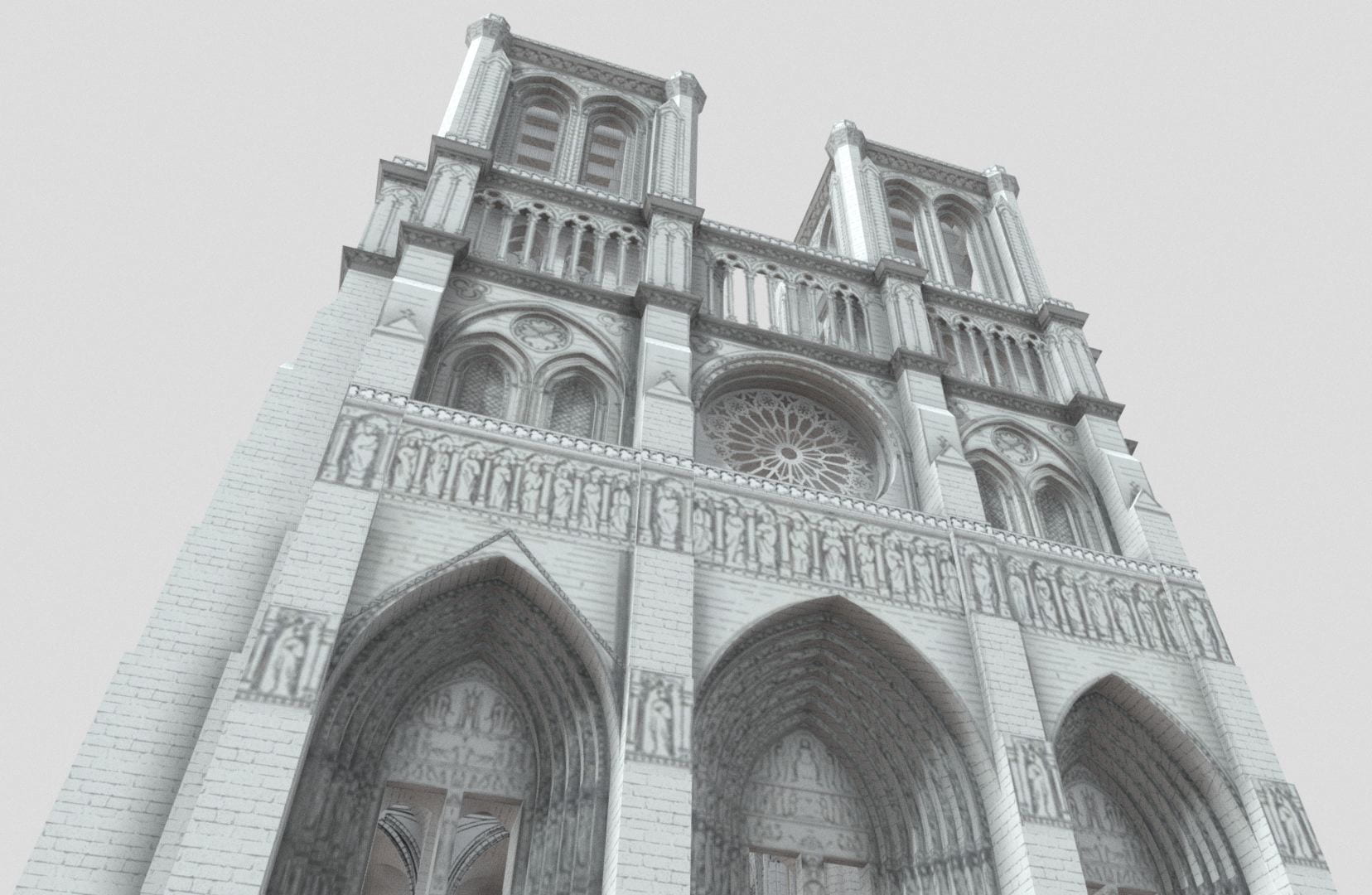
In this workshop featuring Notre-Dame of Paris as case study, you will learn how to create highly detailed but low-polygon-count models of any building you desire. These visually and geometrically complex models be small enough to load in your web browser. They can be viewed by clients, possible employers, and others online, with no need for them to download files or own specific software. Based on the content delivered in this six-part tutorial, you will be able to create similar models of any building, real or proposed. VIEW PROJECT >

Historical Reconstruction of Ford Model T Assembly Line

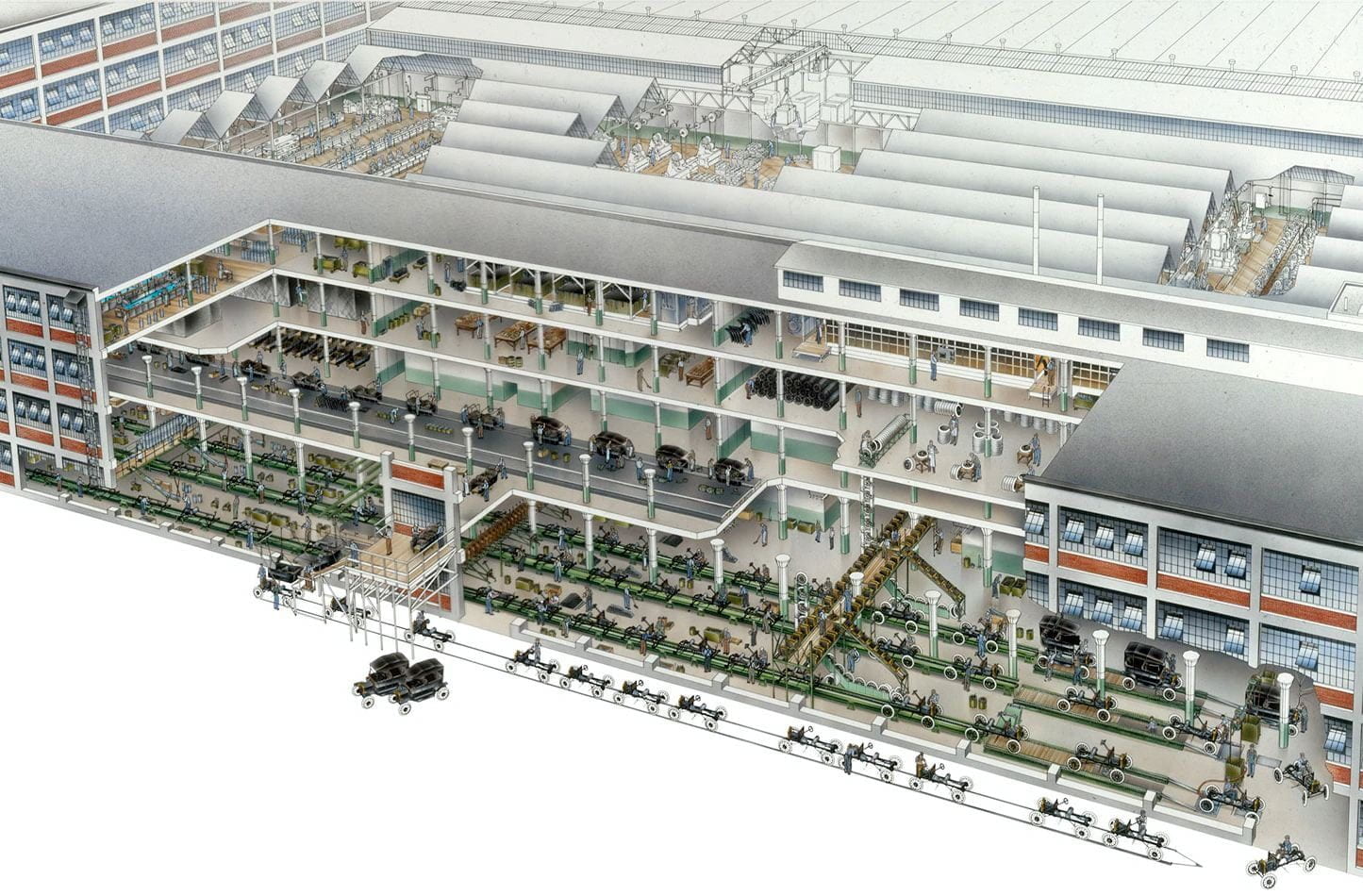
Based on extensive archival documents, this historically-accurate film showcases the assembly of the 1915 Model T Runabout at Ford’s Highland Park factory. This projects represents the first complete visual and cartographic documentation of this manufacturing process from 1908 to 1927. It highlights Ford’s innovative yet evolving assembly line techniques, which revolutionized car production, contrasting with previous methods. VIEW PROJECT >

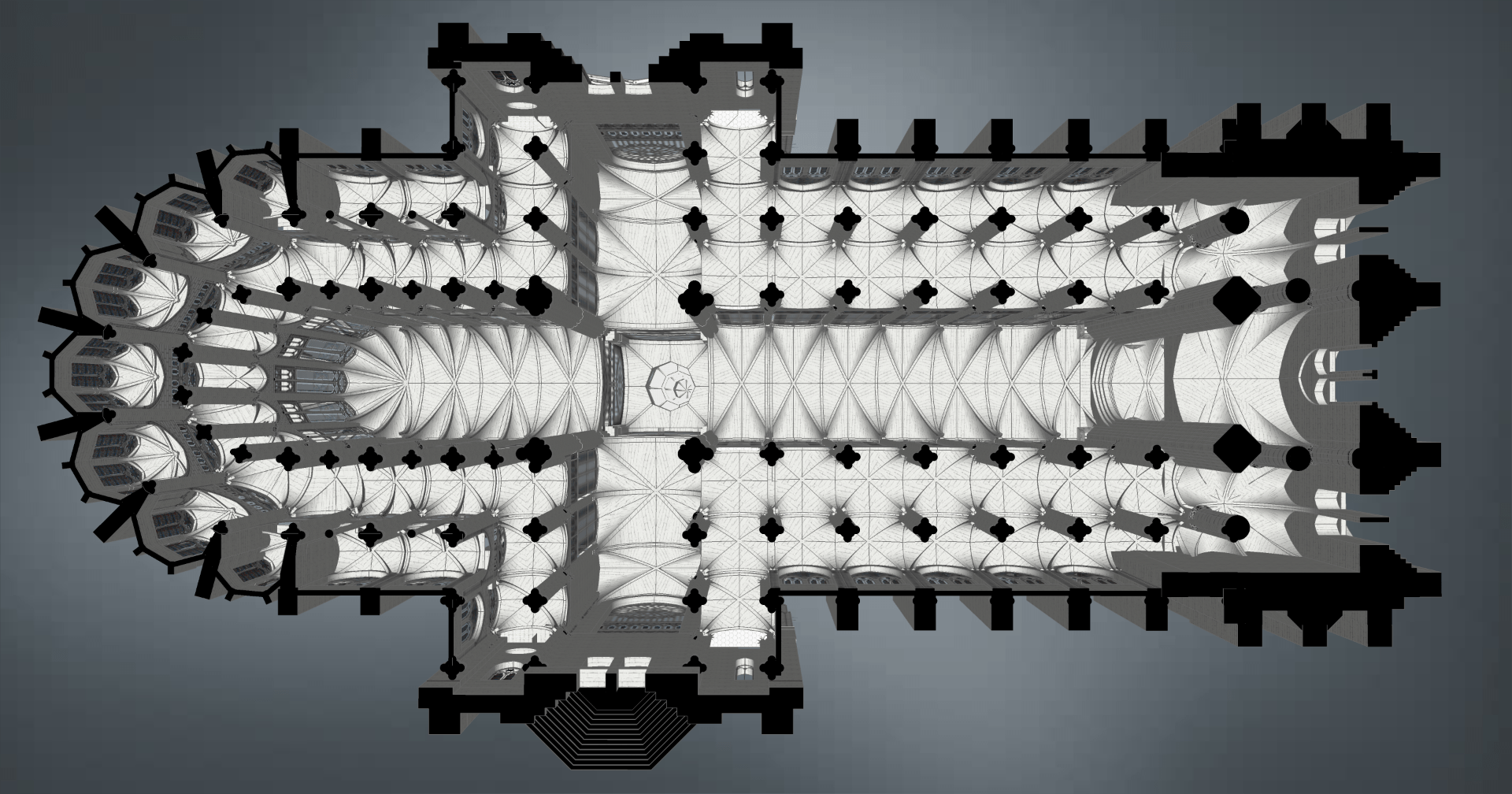
Notre-Dame of Paris Construction Sequence

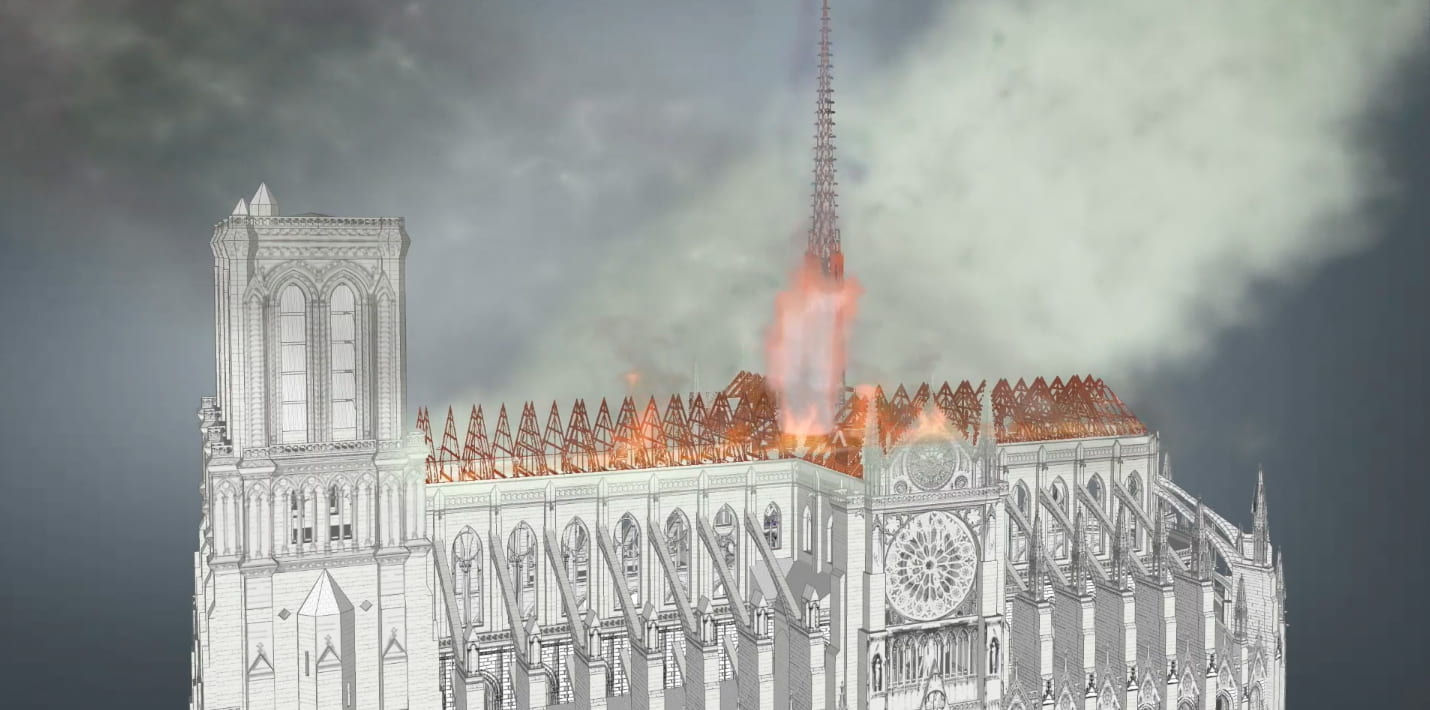
The project was created with historian Stephen Murray and syndicated by the French state, LeMonde newspaper, as well as the official website and social media channels of Notre-Dame. This time-lapse construction sequence follows the cathedral’s gradual evolution from c.1060 to the present, highlighting repeated fires, disasters, and renovation campaigns. Based on detailed site plans and peer-review from experts, the film combines handmade aesthetics with digital precision. Visitors can also explore my VR cathedral model and my video tutorials for creating similar models. VIEW PROJECT >

St. Paul’s Cathedral Dome: a synthesis of engineering and art

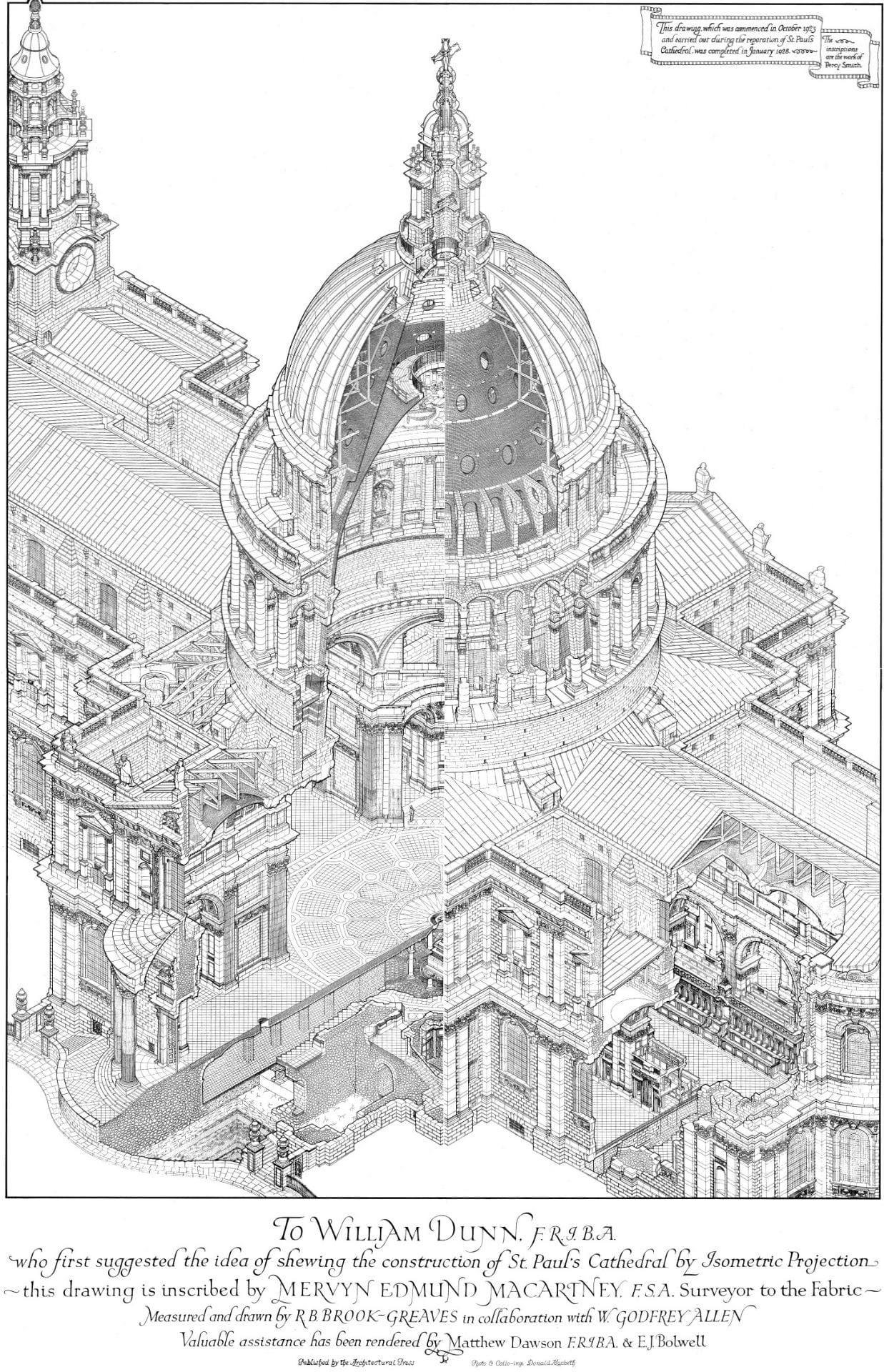
This time-lapse construction sequence in film and historical essay analyzes how architect Christopher Wren synthesized engineering and art to create this cathedral. The essay analyzes St. Paul’s Cathedral, highlighting its architectural significance through the lens of Eugène-Emmanuel Viollet-le-Duc’s thesis-antithesis-synthesis framework. St. Paul’s is a blend of advanced engineering and artistic expression reflective of Enlightenment thought, showcasing innovation in design and construction while mirroring cultural shifts in London at the time. VIEW PROJECT >

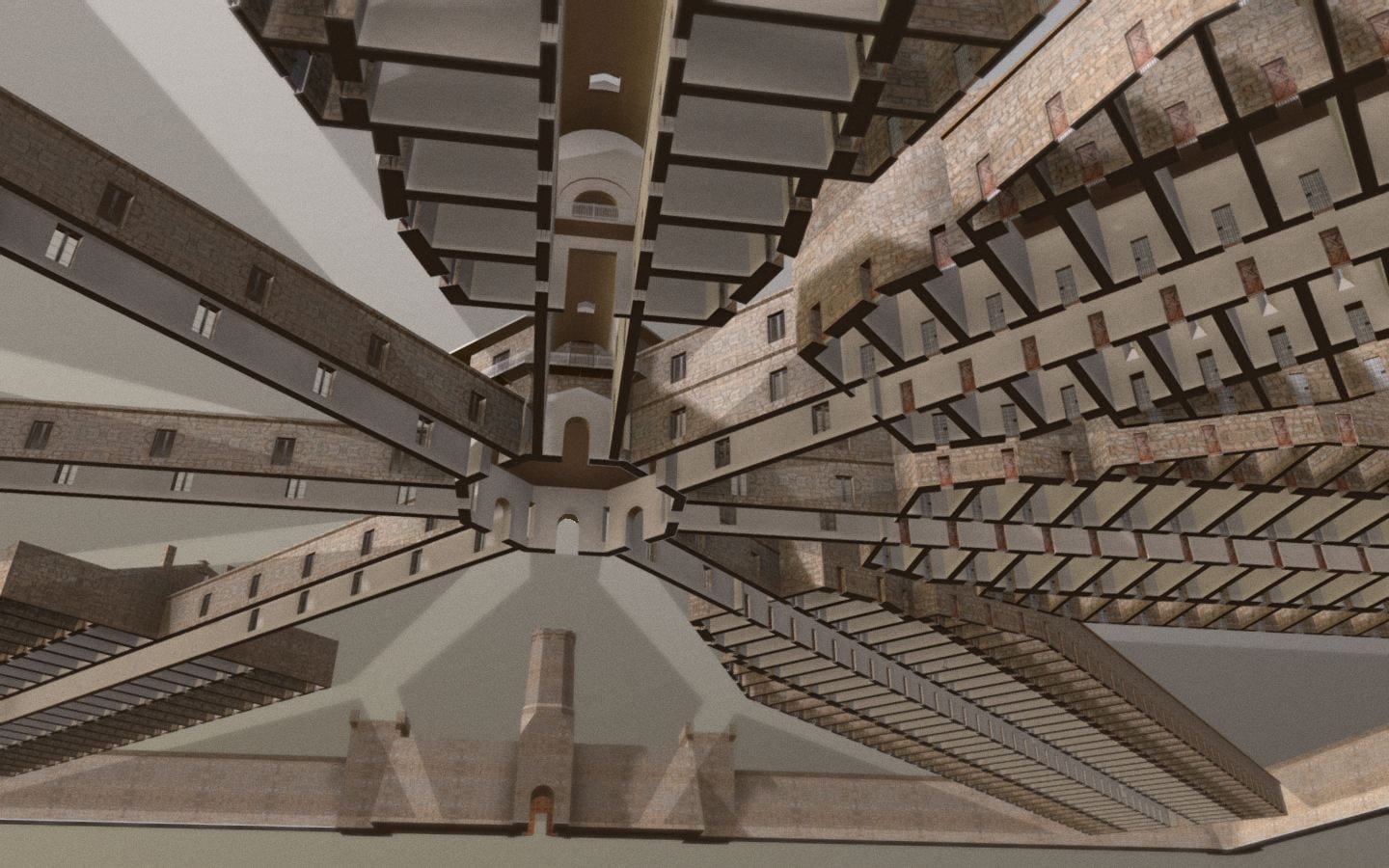
Virtual Reality Computer Model of Jeremy Bentham’s Panopticon

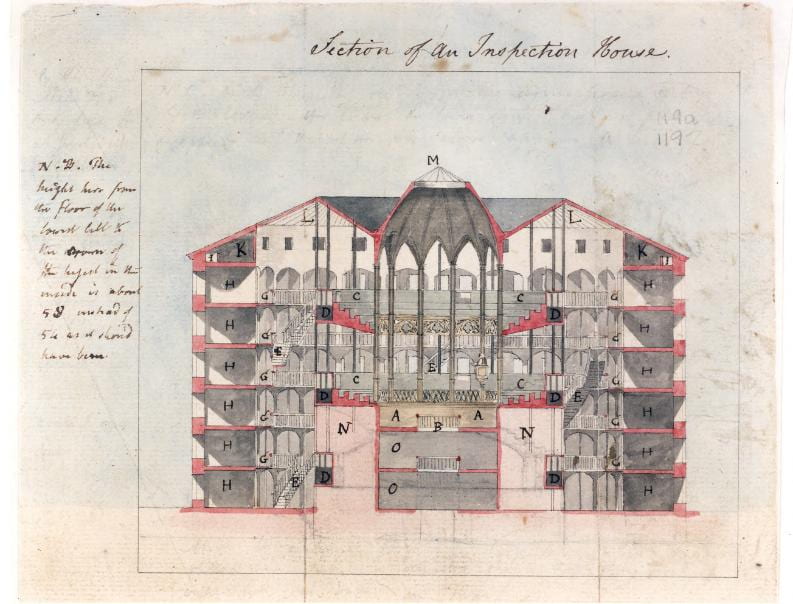
My master’s thesis project at the University of Cambridge explores the architecture and power dynamics of Jeremy Bentham’s panopticon. Based on exceptionally detailed and accurate-to-the-inch measurements given in Bentham’s 18th-century letters and drawings, this project reconstructs his panopticon in virtual reality. Despite his claims of total oversight, design flaws undermine effective surveillance. The project highlights how Bentham’s vision anticipates future technologies that only now – three centuries later – fully realize his original ambitions of total control.

As featured by literary magazine Aeon: A World of Ideas VIEW PROJECT >

The Meaning of Notre-Dame

The construction of Notre-Dame reflects the origins story of medieval France and the consolidation of power under the Capetian monarchy. This cathedral became a symbol of political power, devotion, and national identity, enduring through 800 years of crises and transformations. Through fires, reconstructions, revolutions, and renovations, Notre-Dame has grown and evolved as symbol of faith and nation. VIEW PROJECT >

Eiffel Tower Construction Sequence

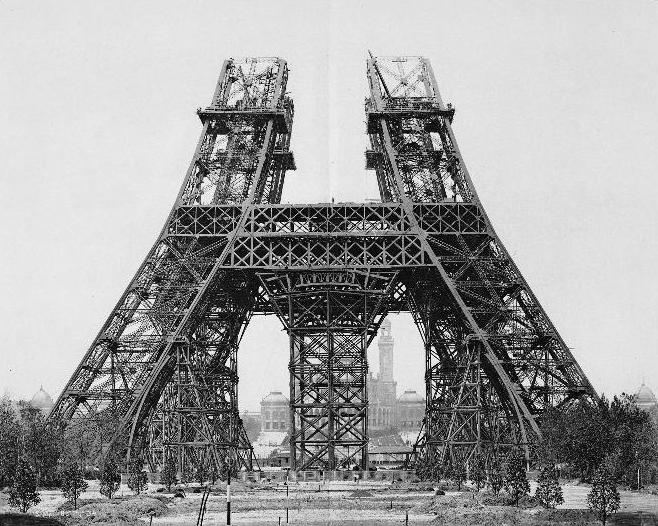
The Eiffel Tower was built over 18 months – from August 1887 to March 1889. This time-lapse film, based on Gustave Eiffel’s hundreds of archived plans, follows the tower’s construction sequence, from foundations to cupola. Publication highlighted by Open Culture as among “the best cultural and educational media on the web.” VIEW PROJECT >

Burford Church Construction Sequence: 1175-1475

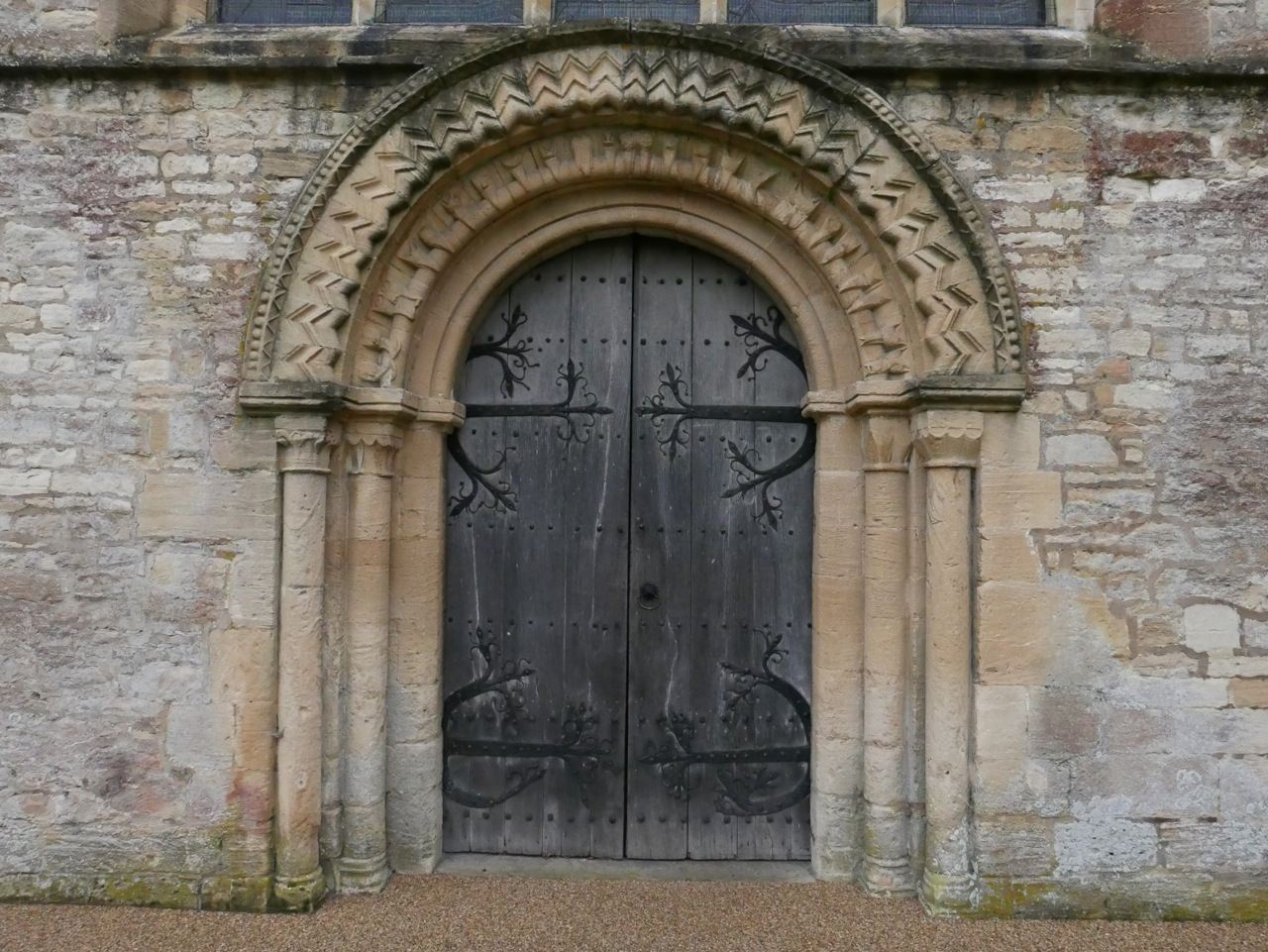
This time-lapse film about an English parish church visualizes the structure’s construction, gradual demolition, and expansion from 1175 to 1475. Created with Dr. Cathy Oakes while I was an undergraduate studying art history at the University of Oxford. VIEW PROJECT >

Amiens Cathedral Construction Sequences

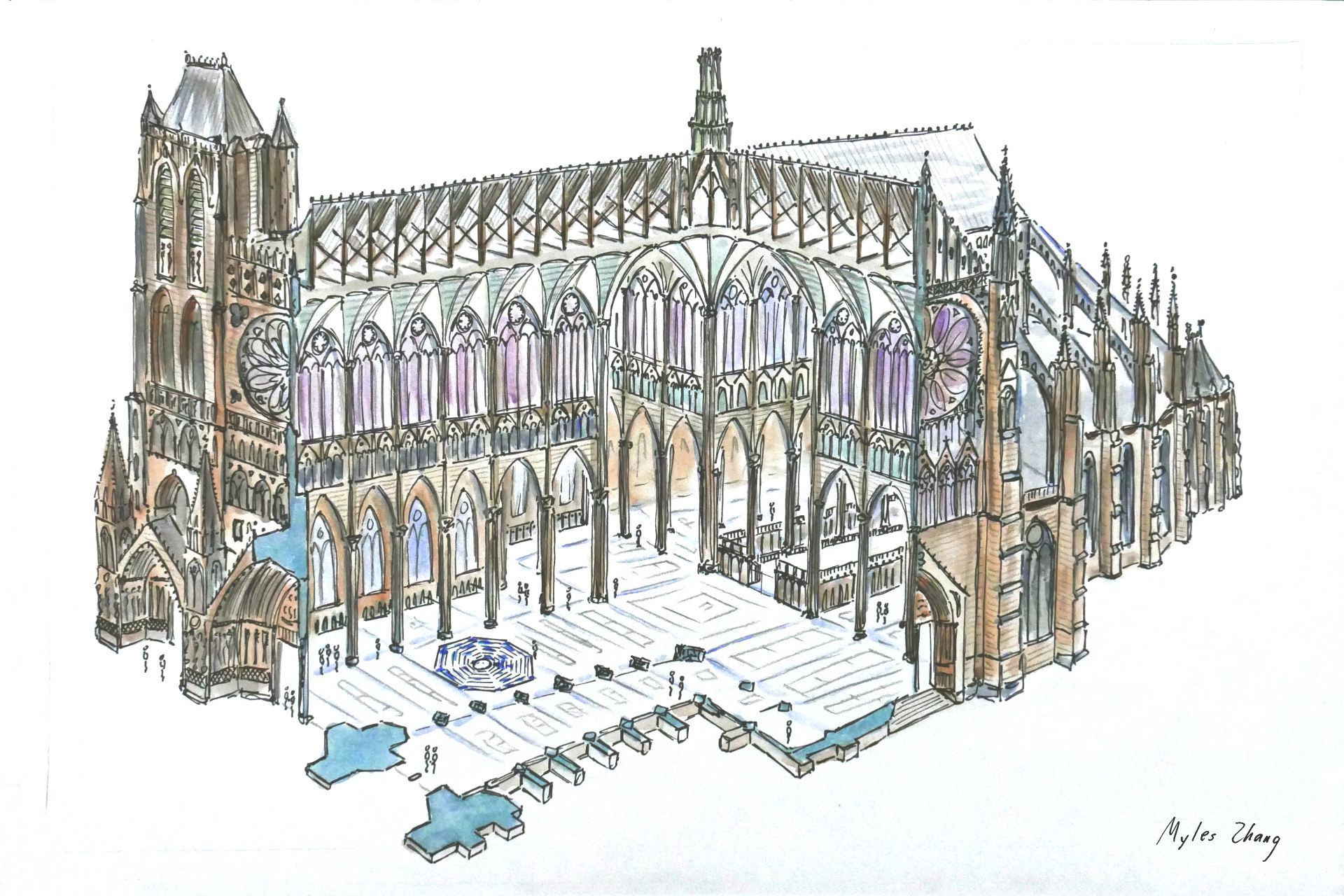
Amiens Cathedral is a key subject in the Art Humanities Core Curriculum class that is required of all undergraduates at Columbia University. This research project is now used in the classroom instruction of 1,400 Columbia undergrads each year. This project created with Stephen Murray uses computer models and films to visualize the centuries-long time-lapse construction sequence of Amiens Cathedral. This research highlights the cathedral’s role in medieval society: as symbol of civic identity, as economic engine, and as nation-building tool for the future French state.

Visit: projects.mcah.columbia.edu/amiens-arthum VIEW PROJECT >