Optimizing Architectural Models for Display Online
Difficulty Level: Intermediate to Advanced.
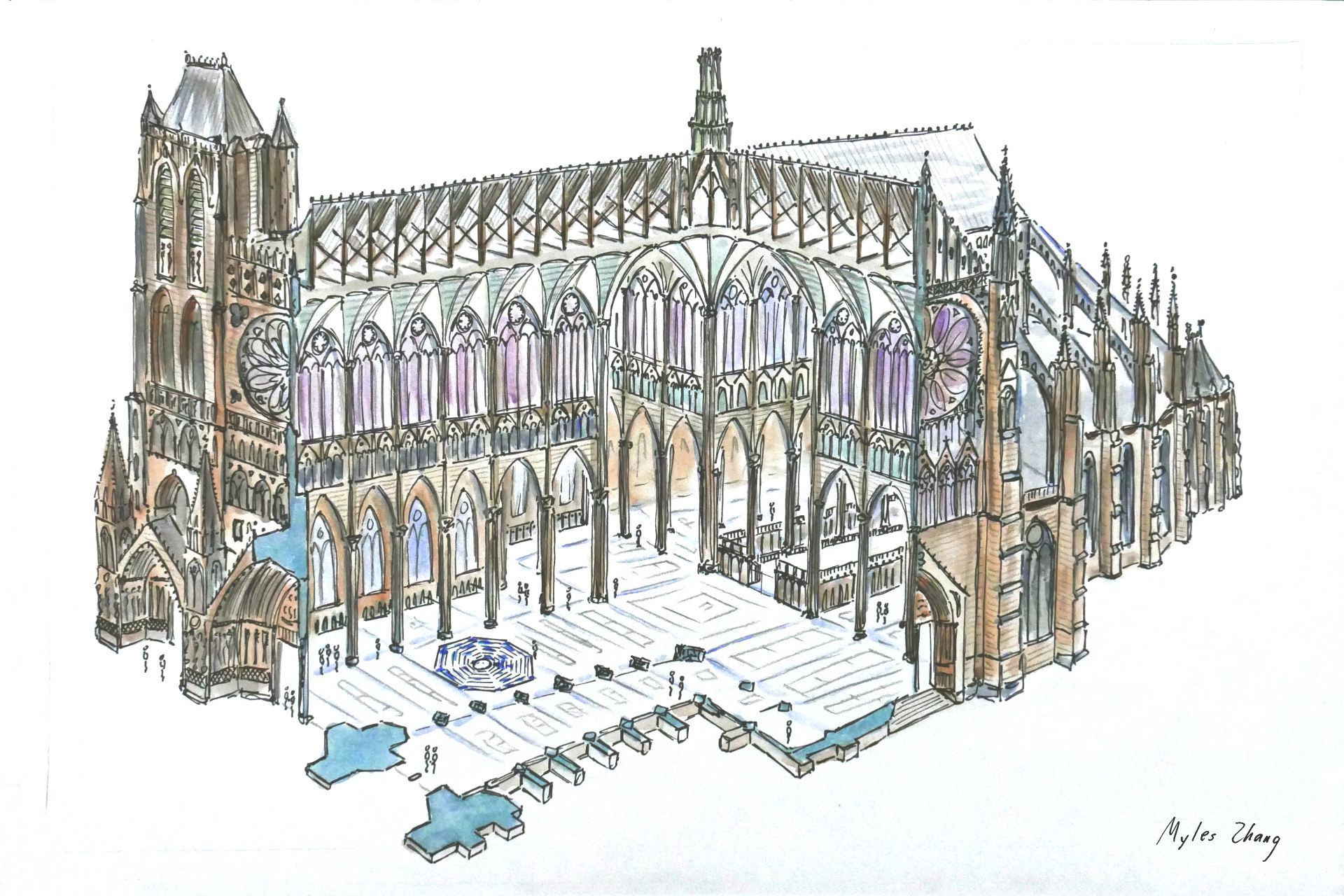
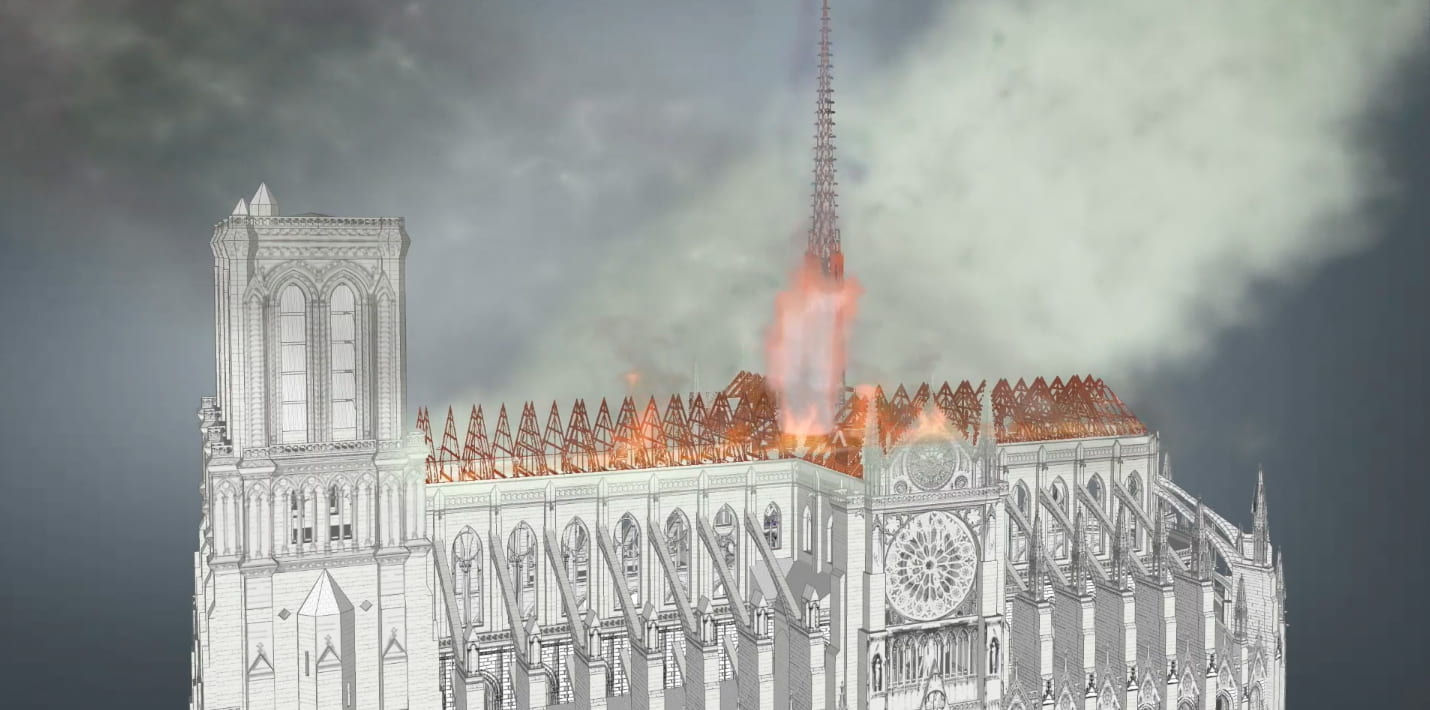
In this workshop featuring Notre-Dame of Paris as case study, you will learn how to create highly detailed but low-polygon-count models of any building you desire. These visually and geometrically complex models be small enough to load in your web browser. They can be viewed by clients, possible employers, and others online, with no need for them to download files or own specific software. Based on the content delivered in this six-part tutorial, you will be able to create similar models of any building, real or proposed. VIEW PROJECT >

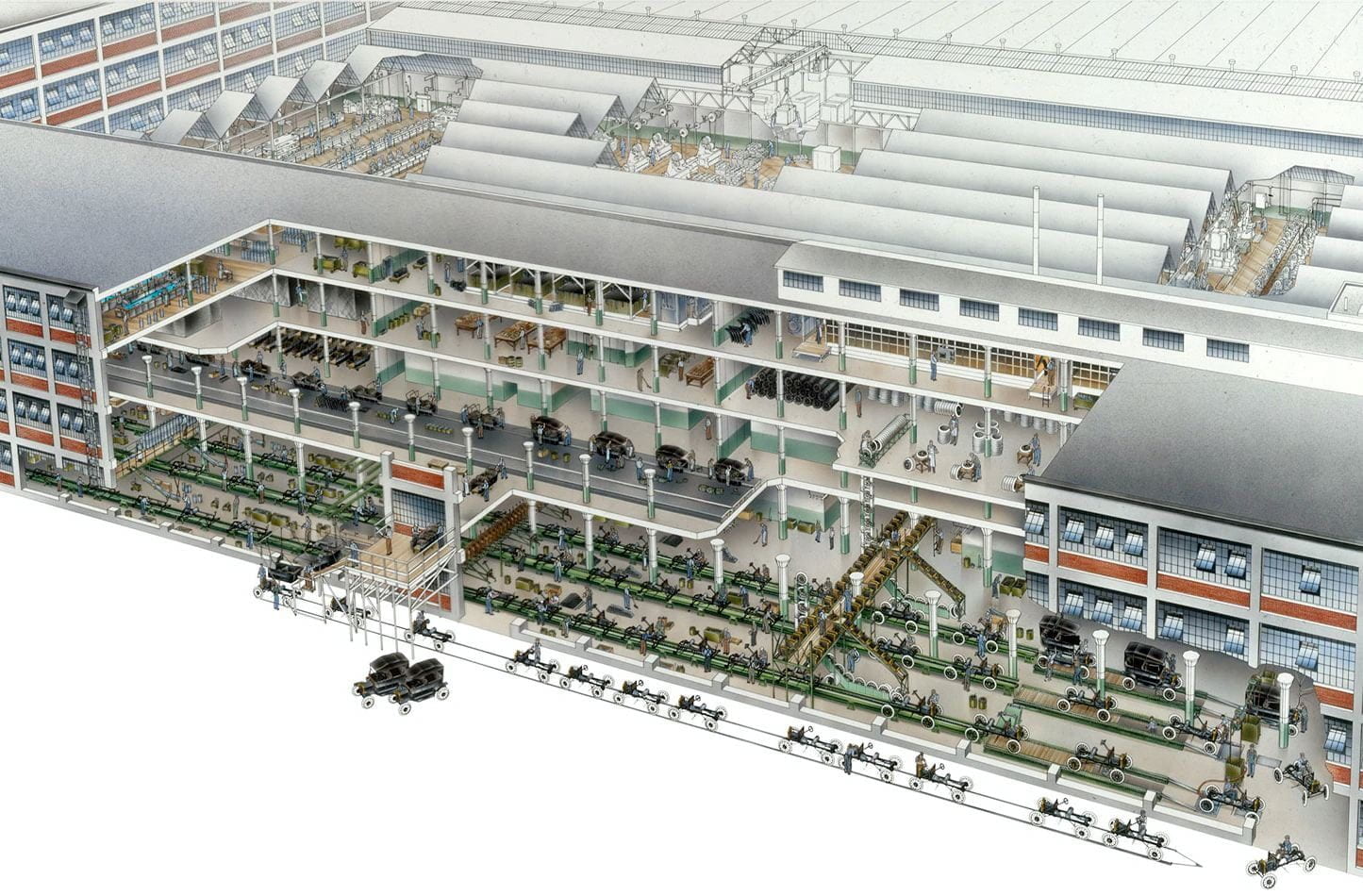
Historical Reconstruction of Ford Model T Assembly Line

Based on extensive archival documents, this historically-accurate film showcases the assembly of the 1915 Model T Runabout at Ford’s Highland Park factory. This projects represents the first complete visual and cartographic documentation of this manufacturing process from 1908 to 1927. It highlights Ford’s innovative yet evolving assembly line techniques, which revolutionized car production, contrasting with previous methods. VIEW PROJECT >

Notre-Dame of Paris Construction Sequence

The project was created with historian Stephen Murray and syndicated by the French state, LeMonde newspaper, as well as the official website and social media channels of Notre-Dame. This time-lapse construction sequence follows the cathedral’s gradual evolution from c.1060 to the present, highlighting repeated fires, disasters, and renovation campaigns. Based on detailed site plans and peer-review from experts, the film combines handmade aesthetics with digital precision. Visitors can also explore my VR cathedral model and my video tutorials for creating similar models. VIEW PROJECT >

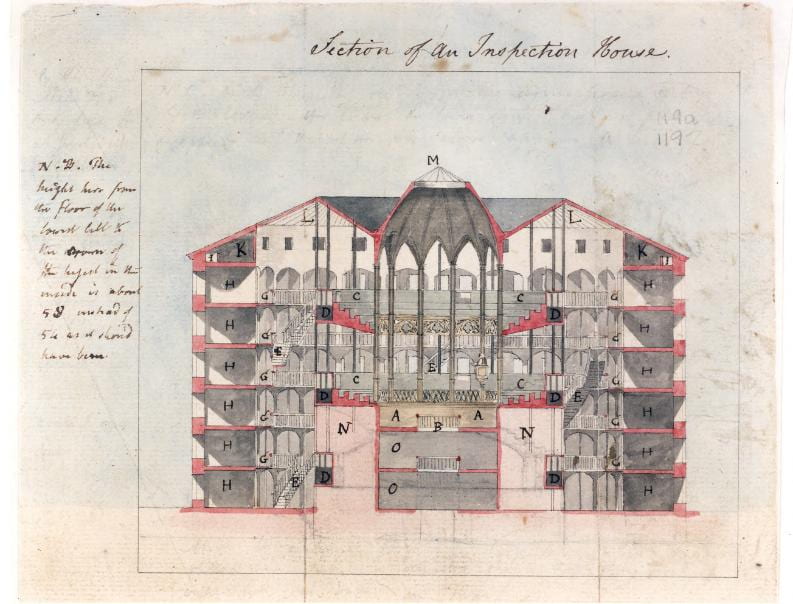
Virtual Reality Computer Model of Jeremy Bentham’s Panopticon

My master’s thesis project at the University of Cambridge explores the architecture and power dynamics of Jeremy Bentham’s panopticon. Based on exceptionally detailed and accurate-to-the-inch measurements given in Bentham’s 18th-century letters and drawings, this project reconstructs his panopticon in virtual reality. Despite his claims of total oversight, design flaws undermine effective surveillance. The project highlights how Bentham’s vision anticipates future technologies that only now – three centuries later – fully realize his original ambitions of total control.

As featured by literary magazine Aeon: A World of Ideas VIEW PROJECT >

The Panopticon: a problem of definition

The panopticon is a conceptual proposal for a building developed by philosopher Jeremy Bentham in the 1790s. The panopticon claims to be an architectural model of surveillance for institutions that include prisons, hospitals, workhouses, factories, and schools. While Bentham envisioned it as an all-seeing design, practical implementations, such as the Eastern State Penitentiary, reveal significant design flaws that hinder its efficacy. Modern interpretations, in turn, link the panopticon to contemporary surveillance and the operations of the internet. VIEW PROJECT >

New York City in a Box

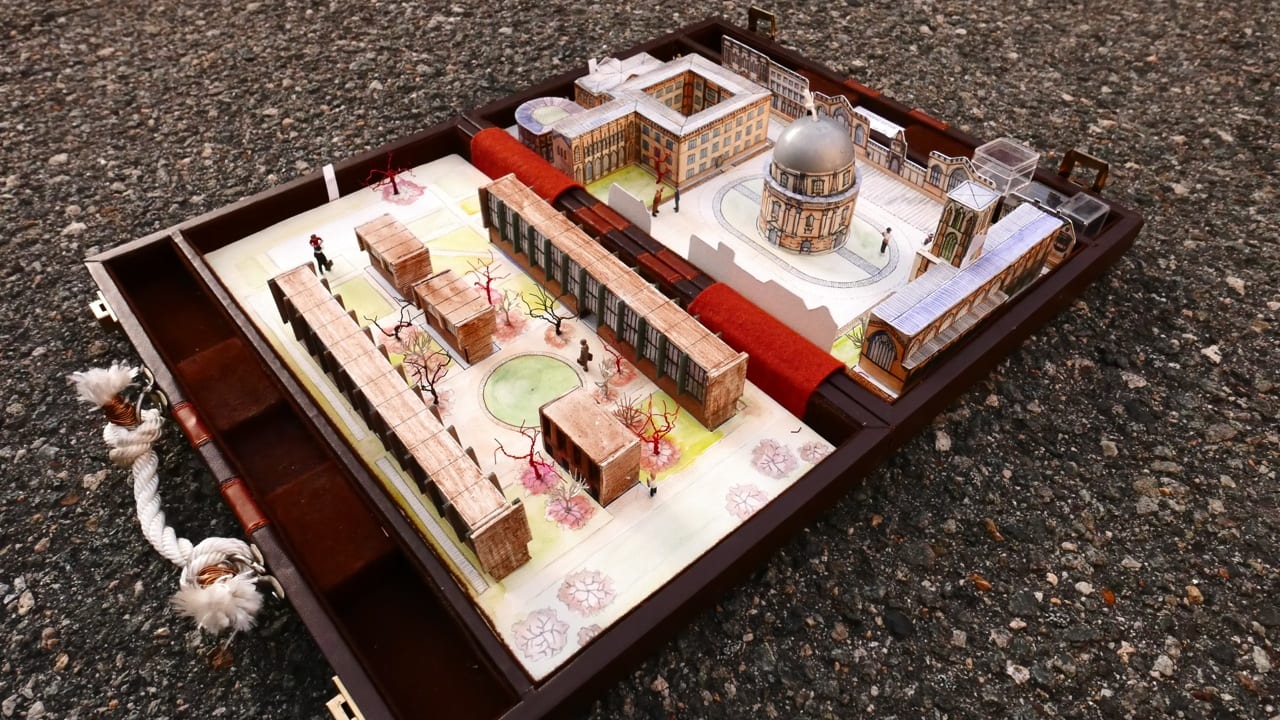
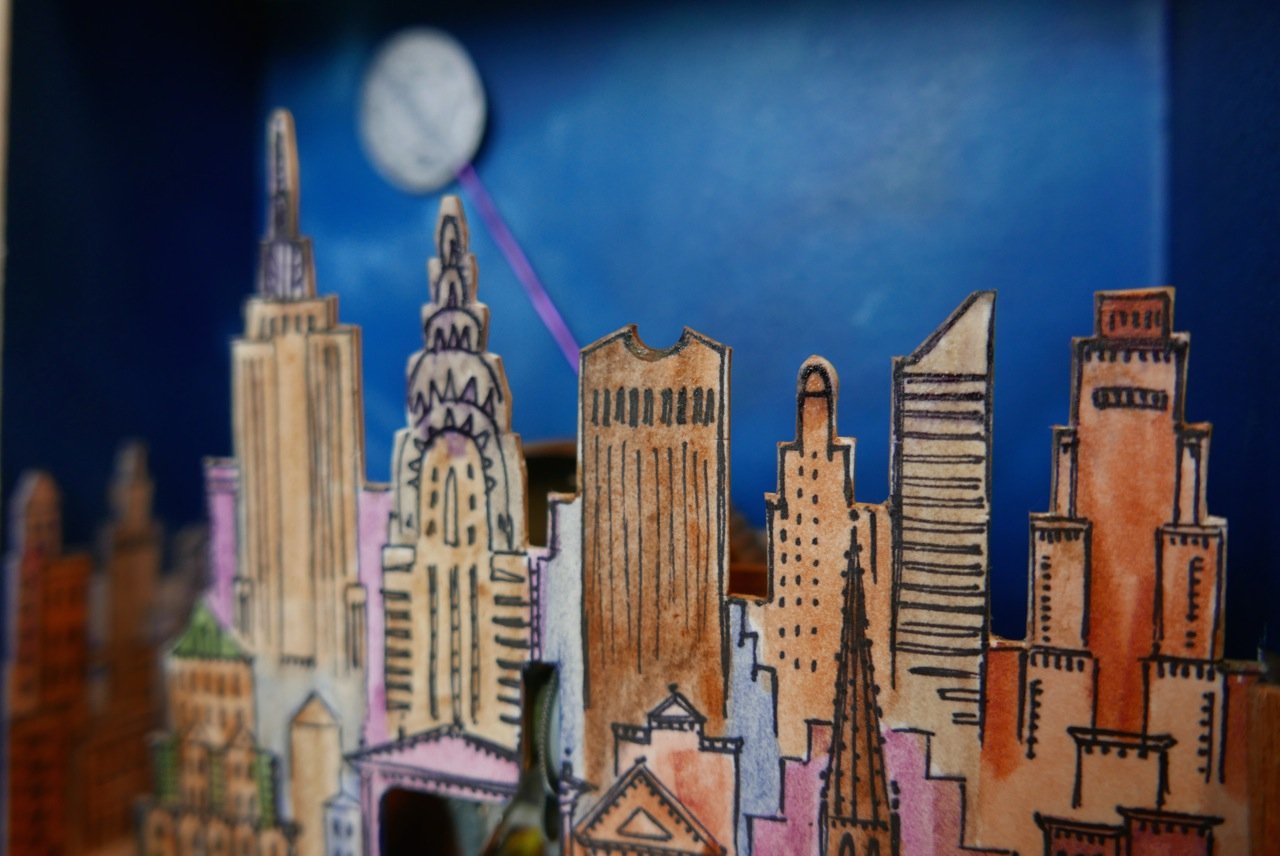
Inspired by the Stettheimer Dollhouse at the Museum of the City of New York, I created this pop-up model of New York City in a box. Measuring 8.0 by 15.5 by 2.5 inches (20 by 40 by 6 cm), this paper craft model showcases 30 hand-cut paper and tin buildings. A hand-cranked mechanism moves magnetized trains and airplanes through a hand-painted and imaginary landscape of New York City streets and neighborhoods. VIEW PROJECT >

Columbia University Artwork

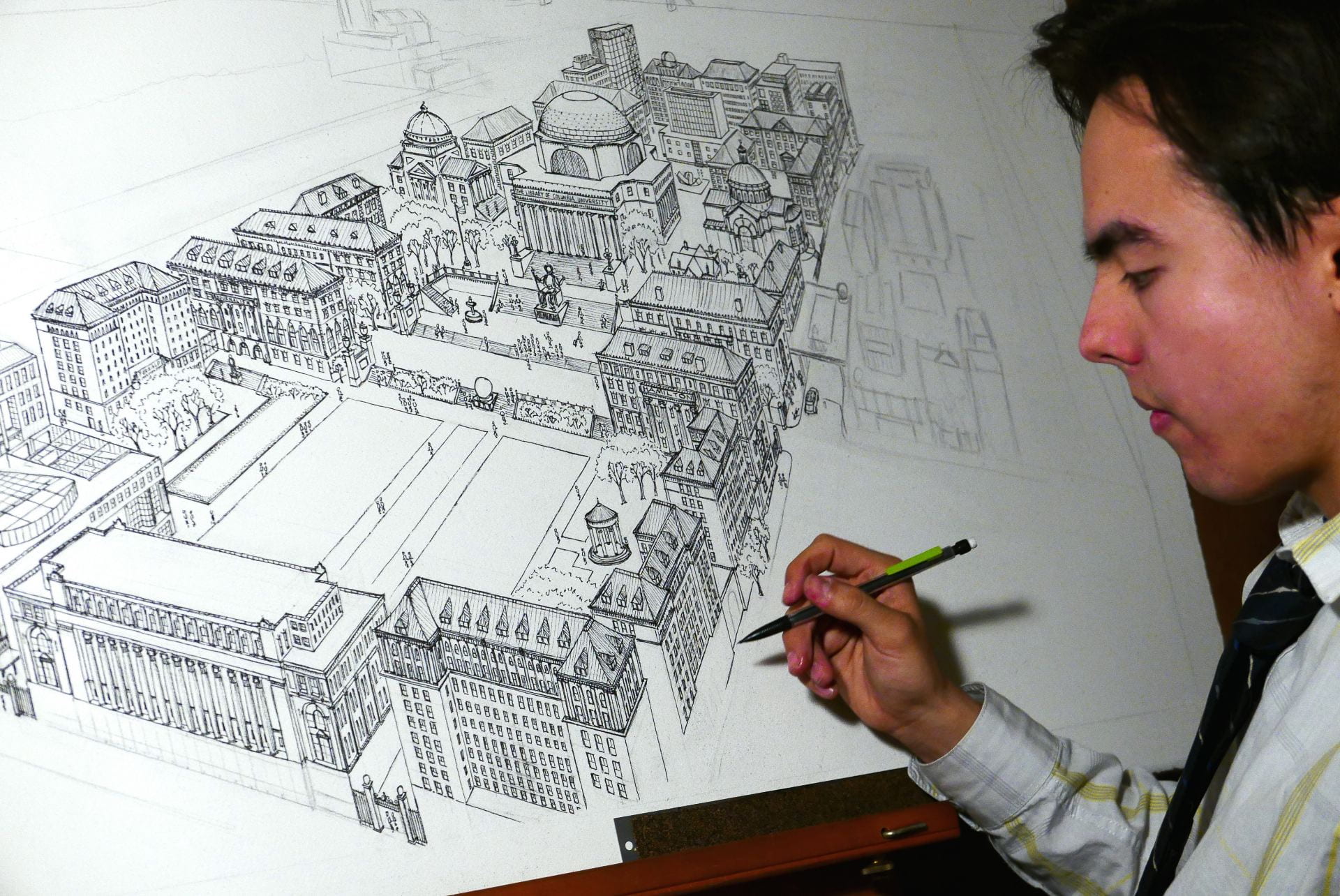
This digital portfolio highlights various artistic projects, time-lapse drawings, and models I created of Columbia University’s campus, during the time I was a student there. The portfolio features a detailed ink and watercolor campus drawing, a mini model of the campus made from paper, and six time-lapse sequences documenting artistic processes. Featured in multiple publications, these creations are now a personal souvenir of my education at Columbia.

Contact me to download source files or to order custom prints mailed to your home address. VIEW PROJECT >

Computer Model of the Kaaba in Mecca

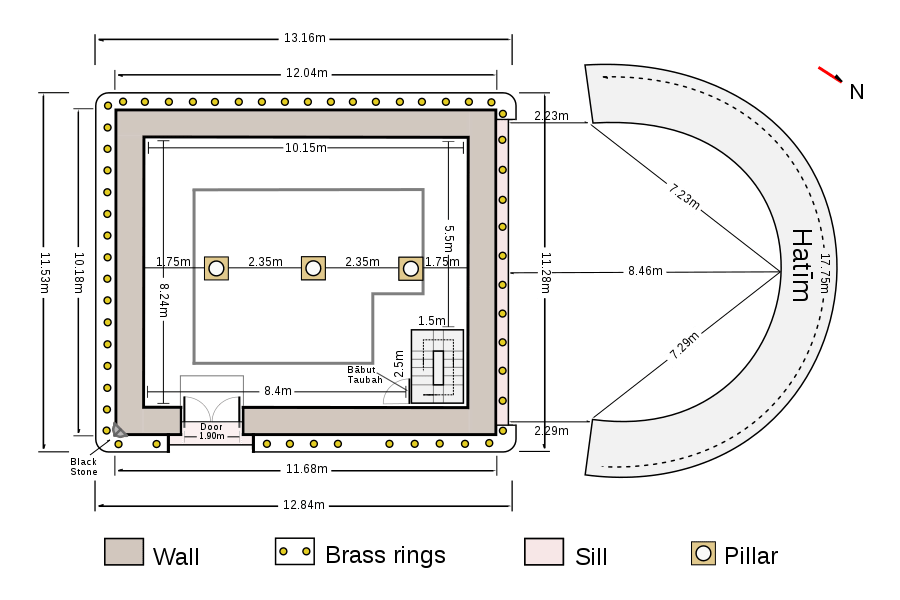
The Kaaba (Arabic: ٱلْـكَـعْـبَـة “The Cube”) is a building at the center of Islam’s most important mosque in Mecca.

In 2018, I was unhappy with the available quality of 3D digital models of the Kaaba. So I created this accurate-to-the-inch model based on architects’ drawings and photos. VIEW PROJECT >

Eiffel Tower Construction Sequence

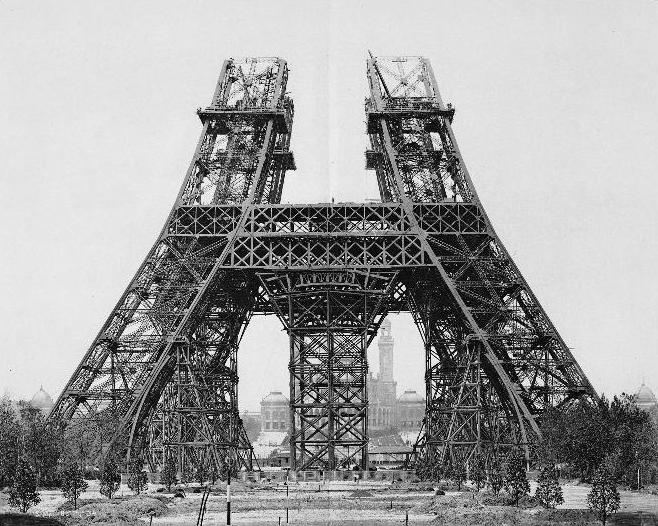
The Eiffel Tower was built over 18 months – from August 1887 to March 1889. This time-lapse film, based on Gustave Eiffel’s hundreds of archived plans, follows the tower’s construction sequence, from foundations to cupola. Publication highlighted by Open Culture as among “the best cultural and educational media on the web.” VIEW PROJECT >

Burford Church Construction Sequence: 1175-1475

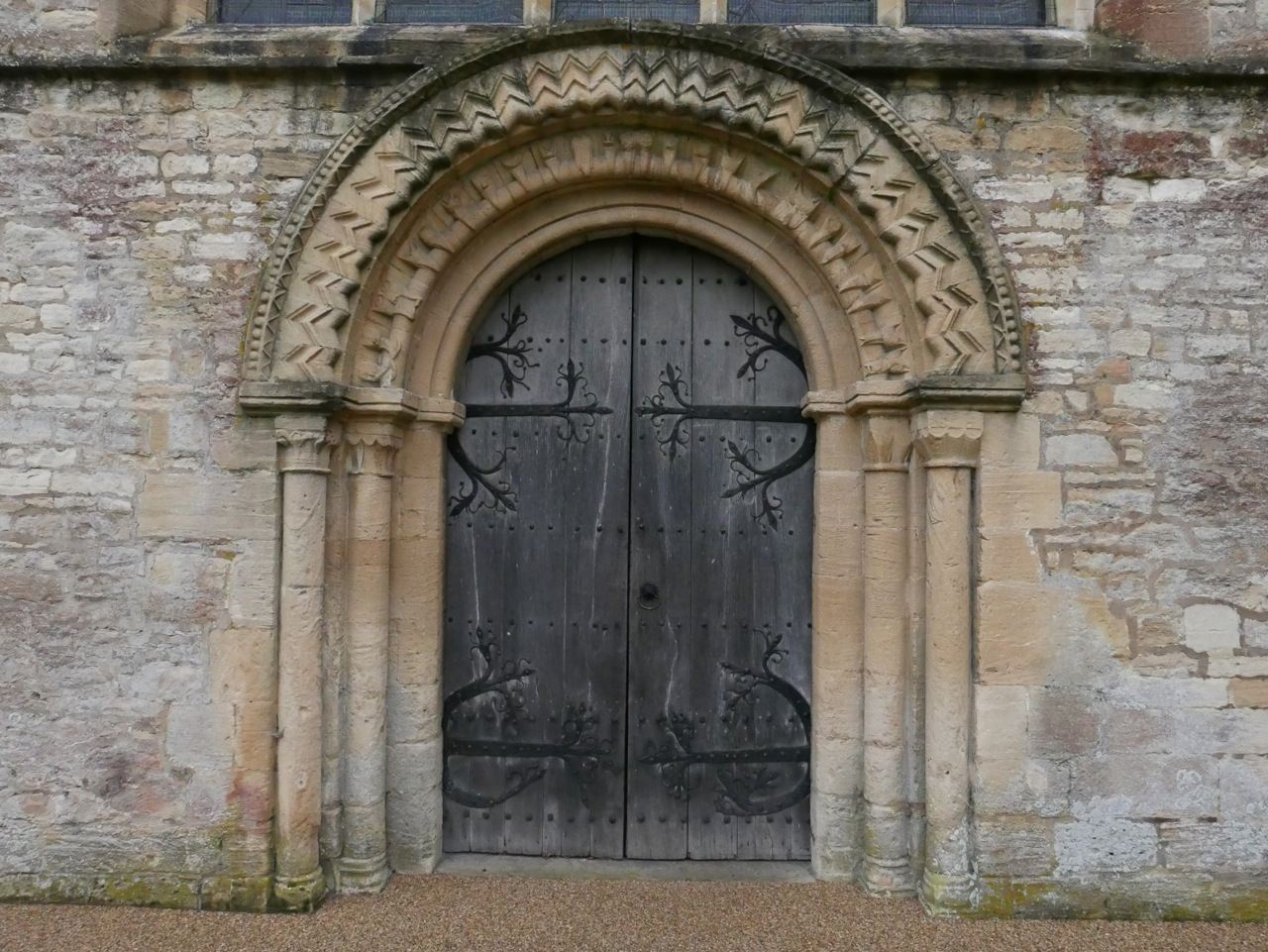
This time-lapse film about an English parish church visualizes the structure’s construction, gradual demolition, and expansion from 1175 to 1475. Created with Dr. Cathy Oakes while I was an undergraduate studying art history at the University of Oxford. VIEW PROJECT >

Amiens Cathedral Construction Sequences

Amiens Cathedral is a key subject in the Art Humanities Core Curriculum class that is required of all undergraduates at Columbia University. This research project is now used in the classroom instruction of 1,400 Columbia undergrads each year. This project created with Stephen Murray uses computer models and films to visualize the centuries-long time-lapse construction sequence of Amiens Cathedral. This research highlights the cathedral’s role in medieval society: as symbol of civic identity, as economic engine, and as nation-building tool for the future French state.

Visit: projects.mcah.columbia.edu/amiens-arthum VIEW PROJECT >

Model of Jane’s Carousel in Brooklyn

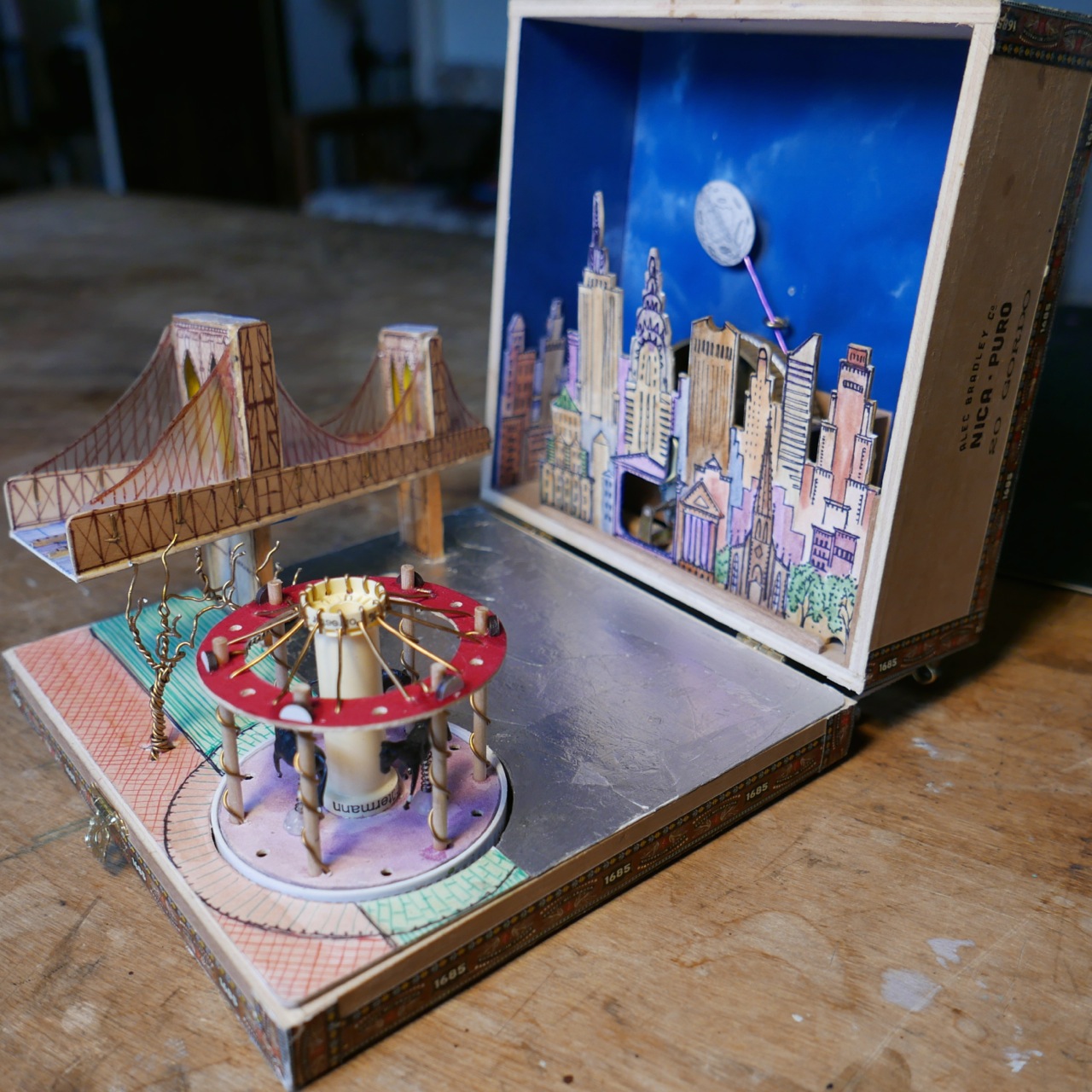
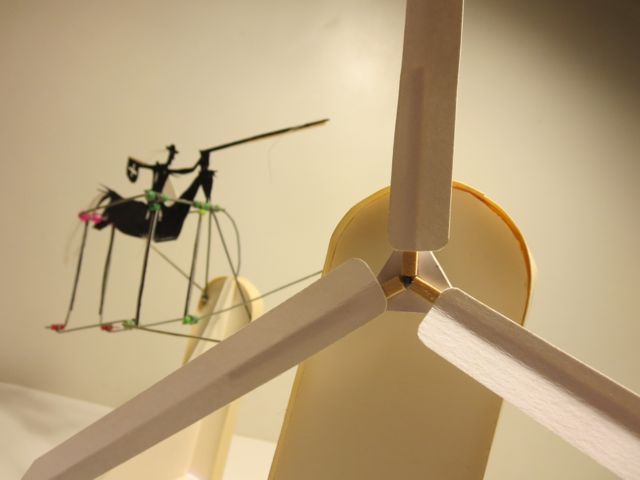
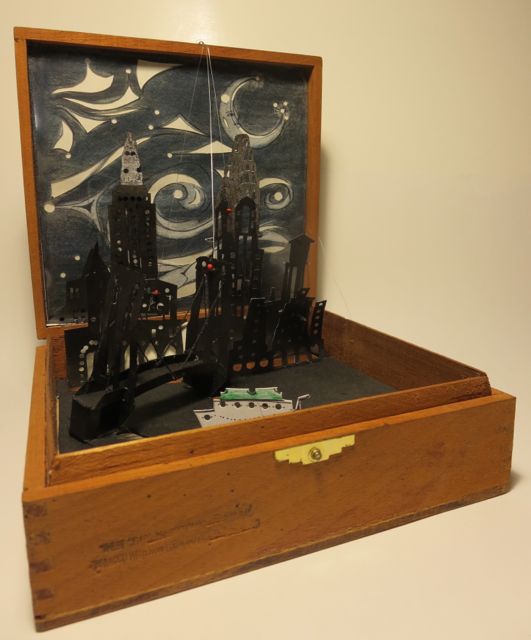
A wind-up music box featuring Jane’s Carousel along the Brooklyn Waterfront. When closed, the antique cigar box measures a mere 7 by 7 inches and 3 inches deep (18 x 18 x 8 cm). When opened, the Brooklyn Bridge and historic Jane’s Carousel fold out. The carousel spins to the tune of the music while the moon slides across the night sky. VIEW PROJECT >

Proposal for a space age house

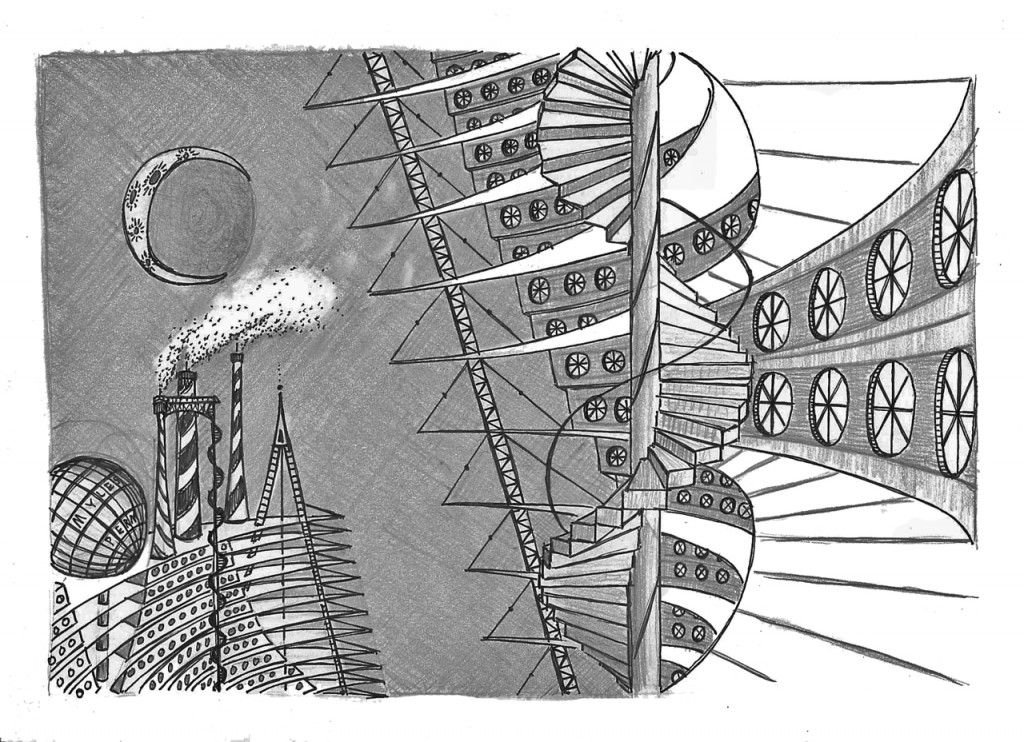
Space House is inspired from images of 1950s futurism and from architect Buckminster Fuller’s proposal for the ideal, modern home, the Dymaxion House. This circular model made of paper is three floors tall and fifteen inches in diameter. The house is painted silver, circular, and domed to evoke the streamlined images of 1950s American cars. VIEW PROJECT >

Cable Car City

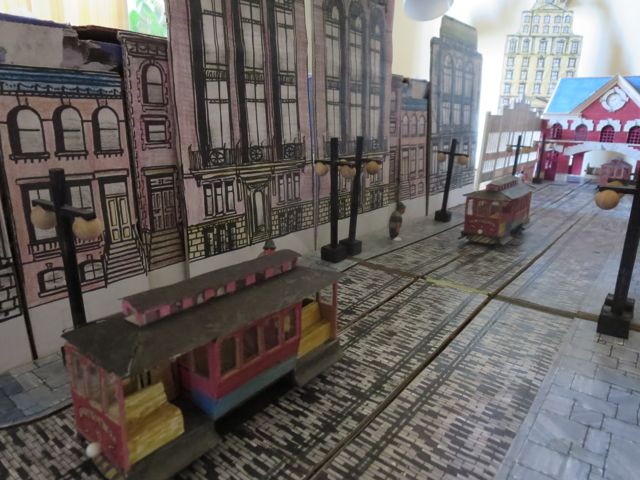
A small, San Francisco style cable car passes through my colorful city of brick buildings and ornate street lamps. With a flick of the wrist and a light tug on a string, I can set the two cable cars in motion back and forth down a cobblestone street. This model is made entirely of wood and painted paper and measures one feet wide by four feet long (30 x 120cm). VIEW PROJECT >

New York City in Miniature

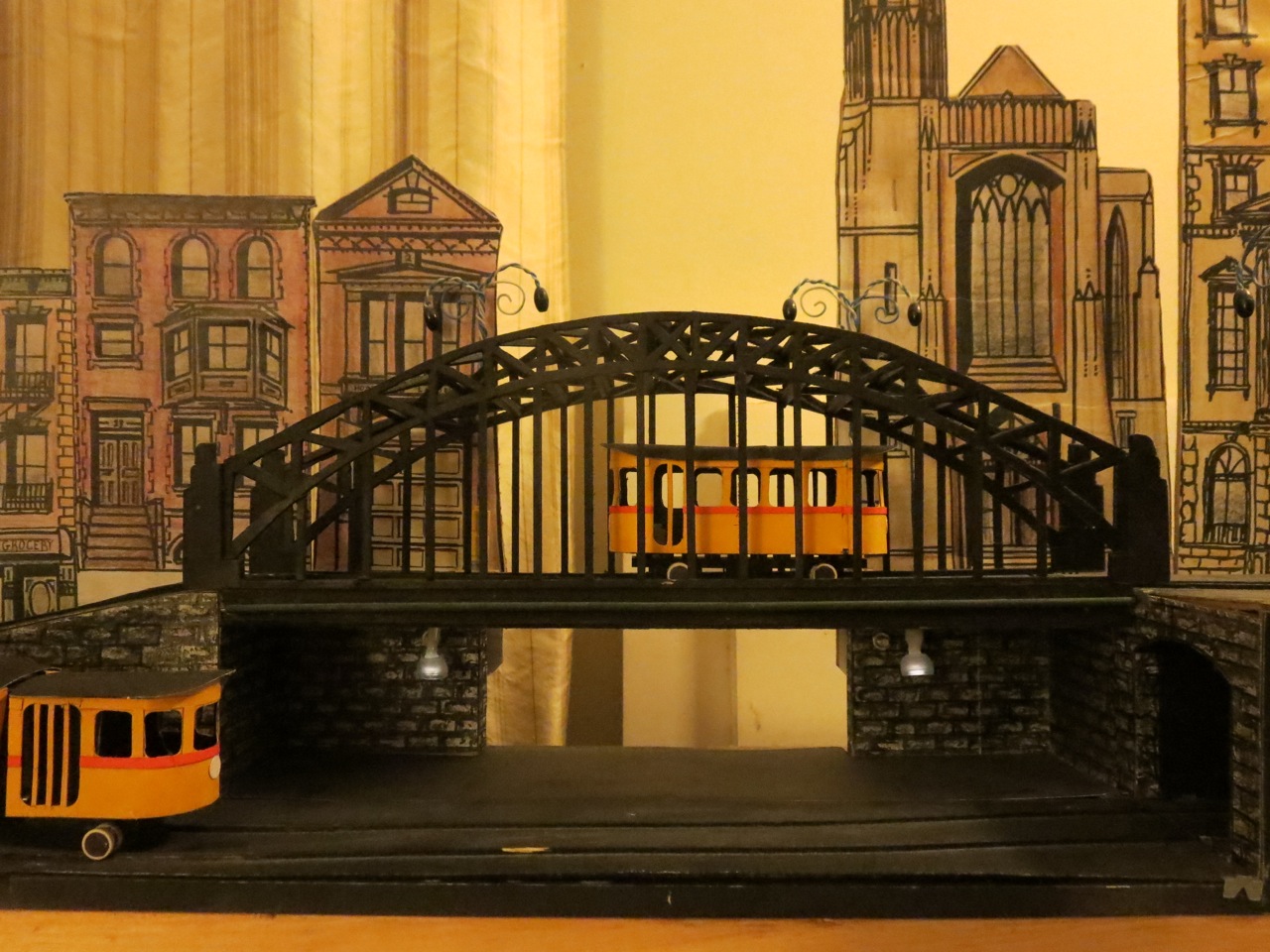
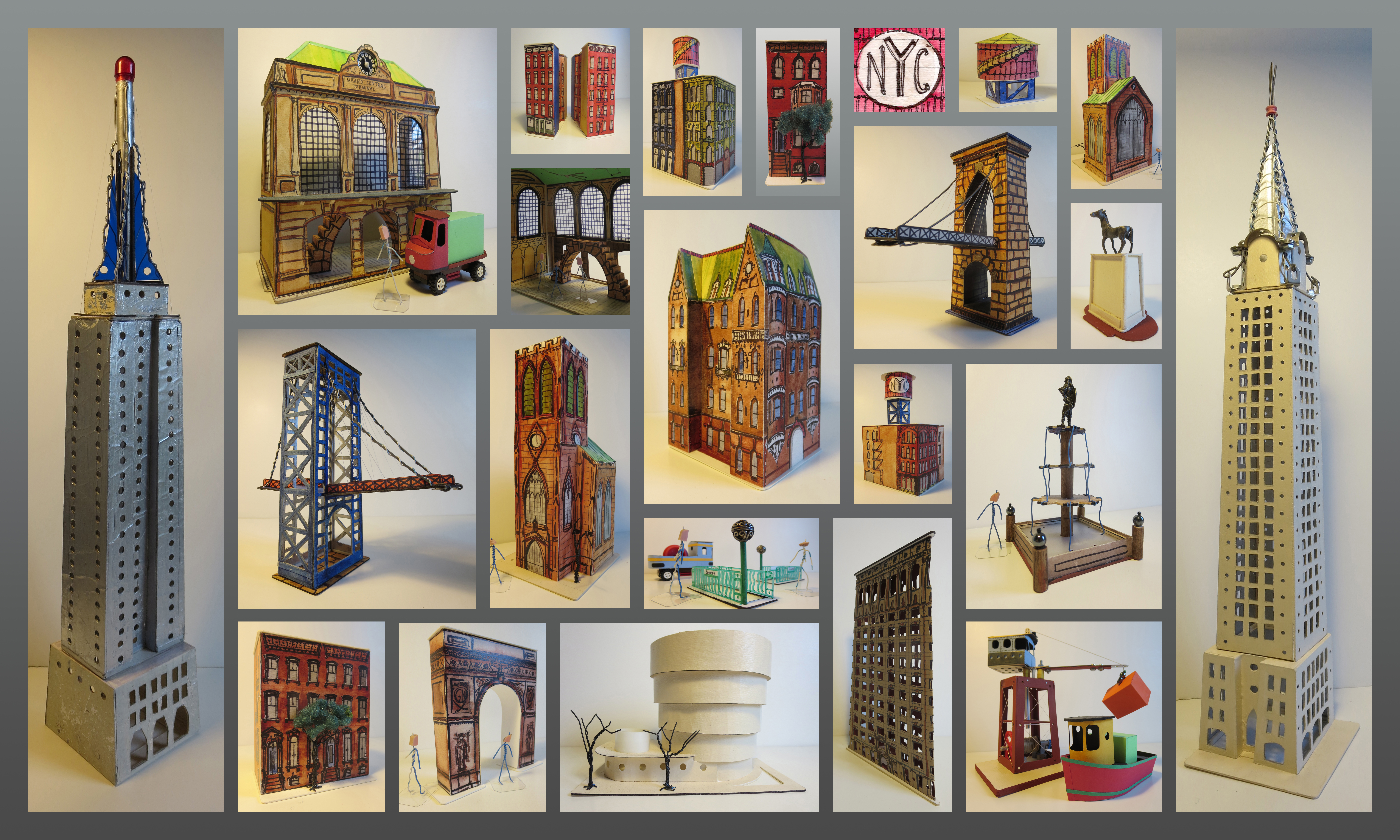
The impressive range New York’s architecture, from the humblest home to the slenderest tower, is expressed through this model of my memories. With a base measuring 28 by 36 inches (70 x 90 cm), I built this model in middle school out of wood, paper, and plastic. It contains several dozen of the city’s landmarks, skyscrapers, people, lampposts, subway stations, and a bevy of operating subway cars. VIEW PROJECT >