Demolishing Public Space at New York Penn Station
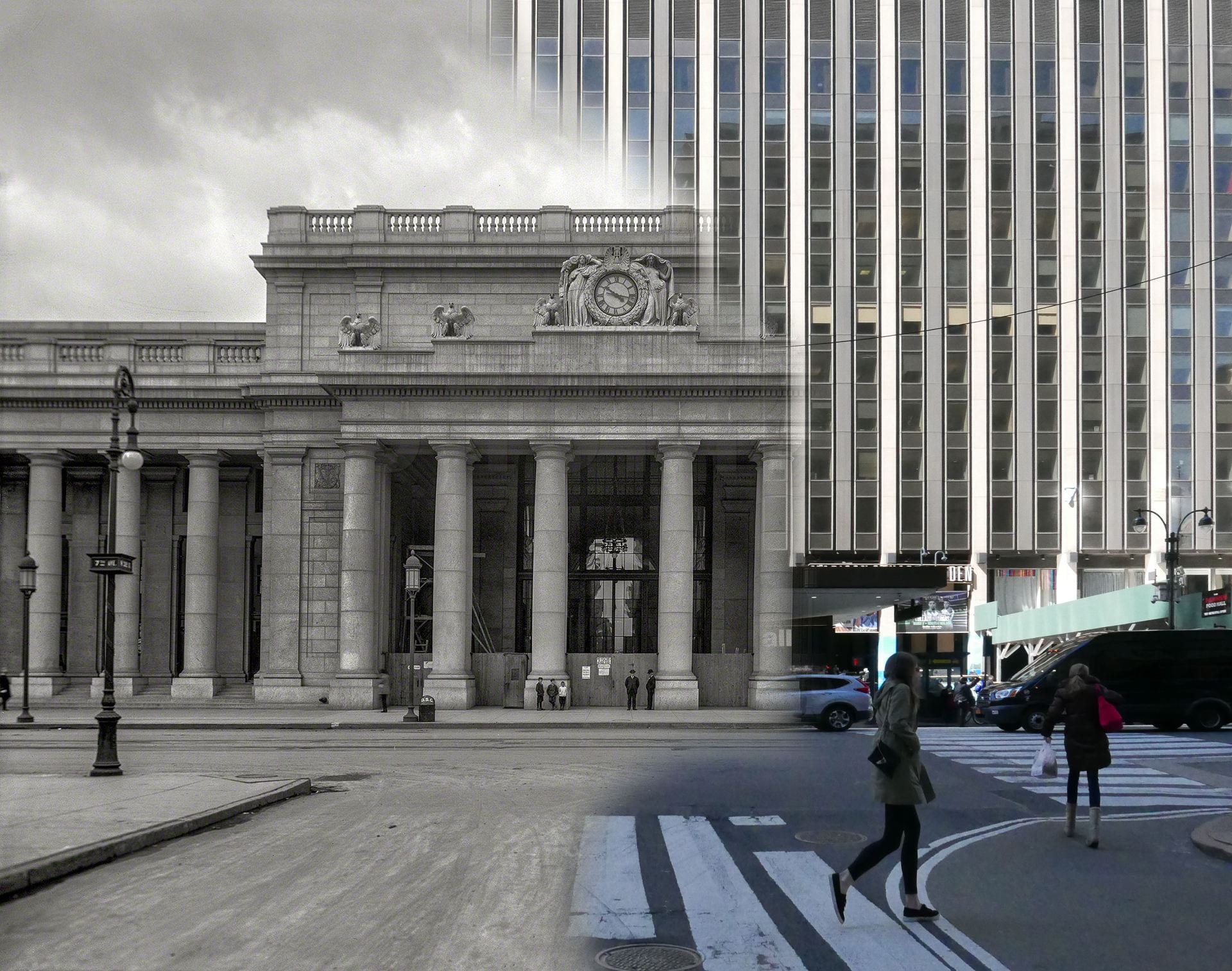
The untimely and short-sighted demolition of old Penn Station in 1963 symbolizes the eroding quality of public space in New York City. In the conflict between developers and community voices in New York, the narrow considerations of economic profit triumphed over the broader community’s demands for historical preservation and high-quality public space. In this essay written for historian Evander Price’s summer 2020 class I took at Harvard University, I reflect on what the loss of this landmark reflects about the destructive nature of American capitalism. VIEW PROJECT >

Excavating Old New York Penn Station

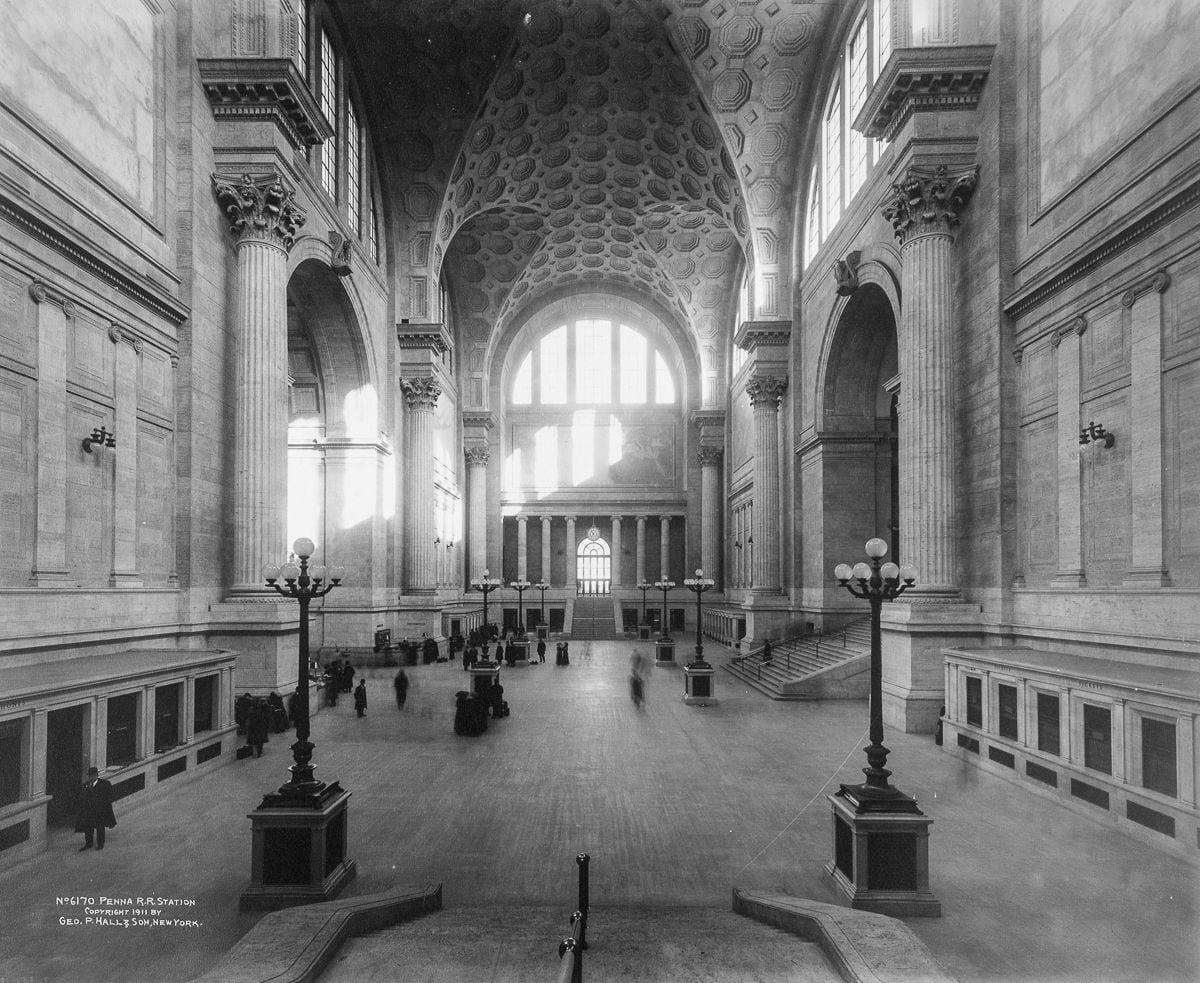
In this computer model and series of image comparisons of past and present, I walk viewers through New York Penn Station. I identify the current and contemporary camera angles from which historical photos were taken in 1911.

The accompanying historical essay explores the historical significance and transformation of this trains station. Originally a grand architectural masterpiece from 1910 that embodied neoclassical design and values, the station was demolished in the 1960s, in order to build a modern structure that lacks its predecessor’s grandeur. VIEW PROJECT >

24 Hours in the London Underground

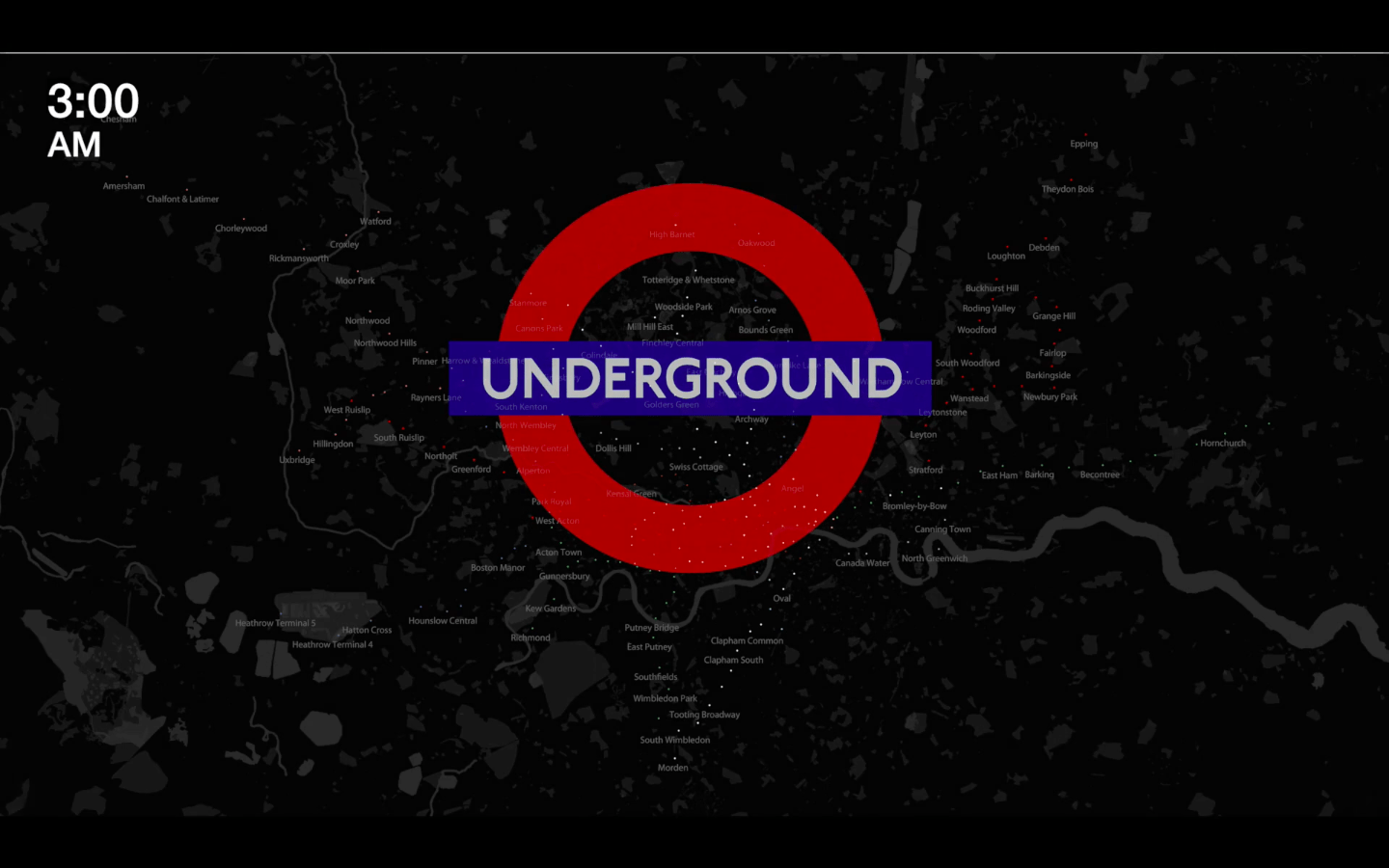
This animation visualizes London Underground commuting patterns using 25,440 data points from 265 stations over two weeks in 2010. Pulsating colored dots represent busy and less busy stations, while audio volume syncs with ridership density. The project draws analogies between urban movement and human physiology, highlighting the city as a complex web of nerve endings, cellular units, organs, and the pulsating blood vessels of mass-transit lines. VIEW PROJECT >

Railroad commuting patterns in New Jersey

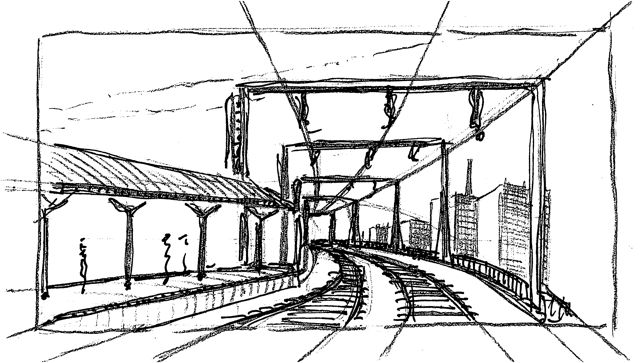
NJ Transit carries over 90,000 commuters per day to and from New York Penn Station, the busiest rail station in the Western Hemisphere. Like spokes on a wheel, these commuter rail lines radiate from the urban core of Midtown Manhattan. Hover over stations to view statistics. Dot size corresponds to number of riders per day: Large dots for busy stations and small dots for less busy stations. VIEW PROJECT >

New York City Subway Ridership Patterns

The MTA’s 424 subway stations and 665 miles of track are analogous to the human circulatory system. Every weekday pre-coronavirus, the subway carried 5.4 million people, mostly commuters. This daily commute is ordered, structured, and rhythmic – as Manhattan’s population swells during the daily commute and then contracts by night. Each passenger symbolizes the movement of a single red blood cell. With each paycheck, the oxygen of capitalism flows from the heart of Manhattan to the cellular homes in the outer boroughs. VIEW PROJECT >