Time-Lapse Evolution of Istanbul’s Urban Form: 330 AD to Present

This film project utilizes historical cartography and GIS to create a time-lapse animation of Istanbul’s urban development over millennia. It illustrates three significant periods: Byzantine rule (330AD-1453), Ottoman rule (1453-1923), and modern metropolitan growth (1923-present). The animation visualizes changing coastlines and showcases the evolution of 200 archaeological sites, churches, aqueduct routes, and early Roman roads. Viewers can explore the film with the accompanying soundtrack or pause the map and zoom into a high-resolution map of individual places. VIEW PUBLICATION
Civil Rights Rebellion in the Essex County Jail

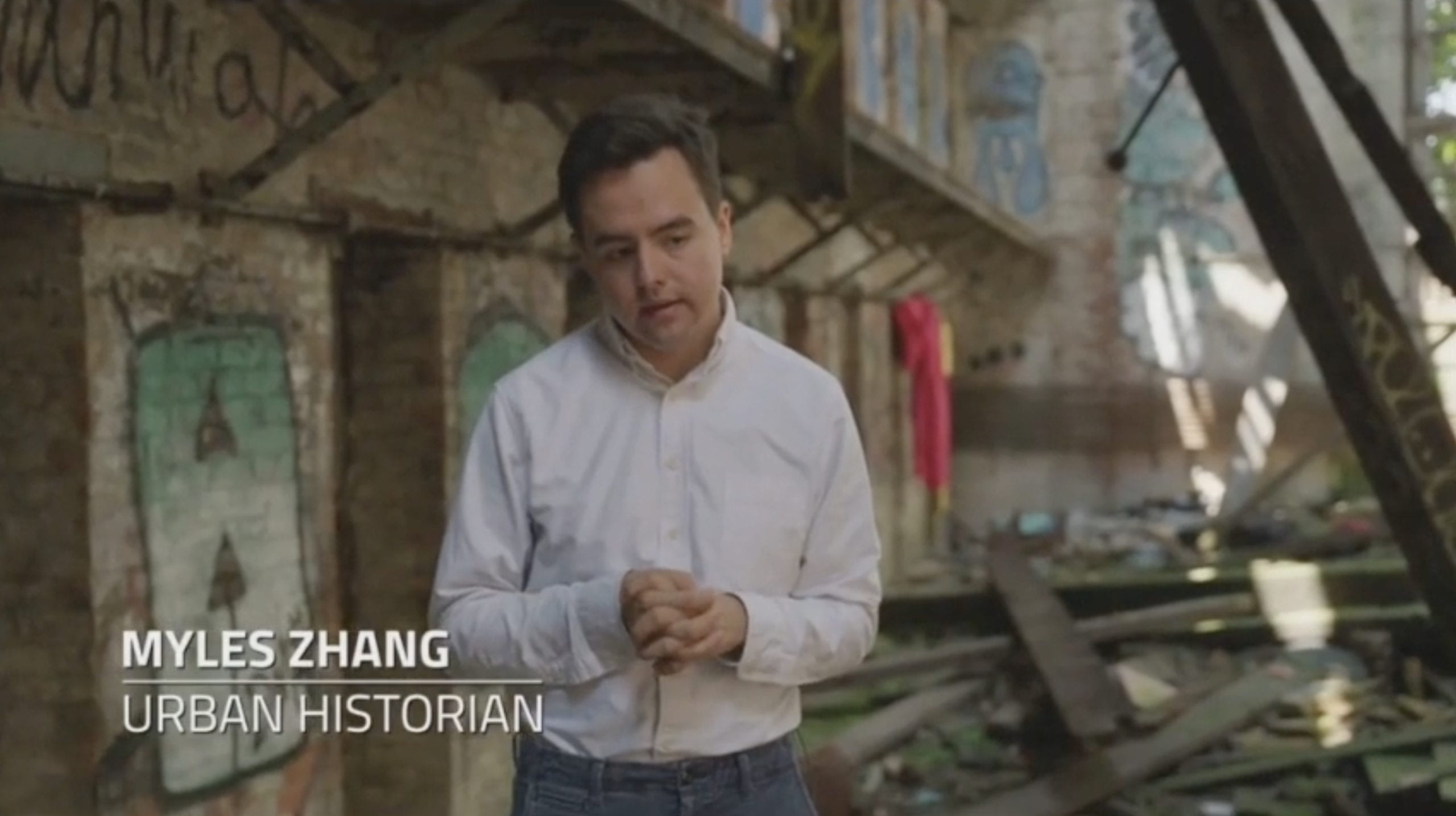
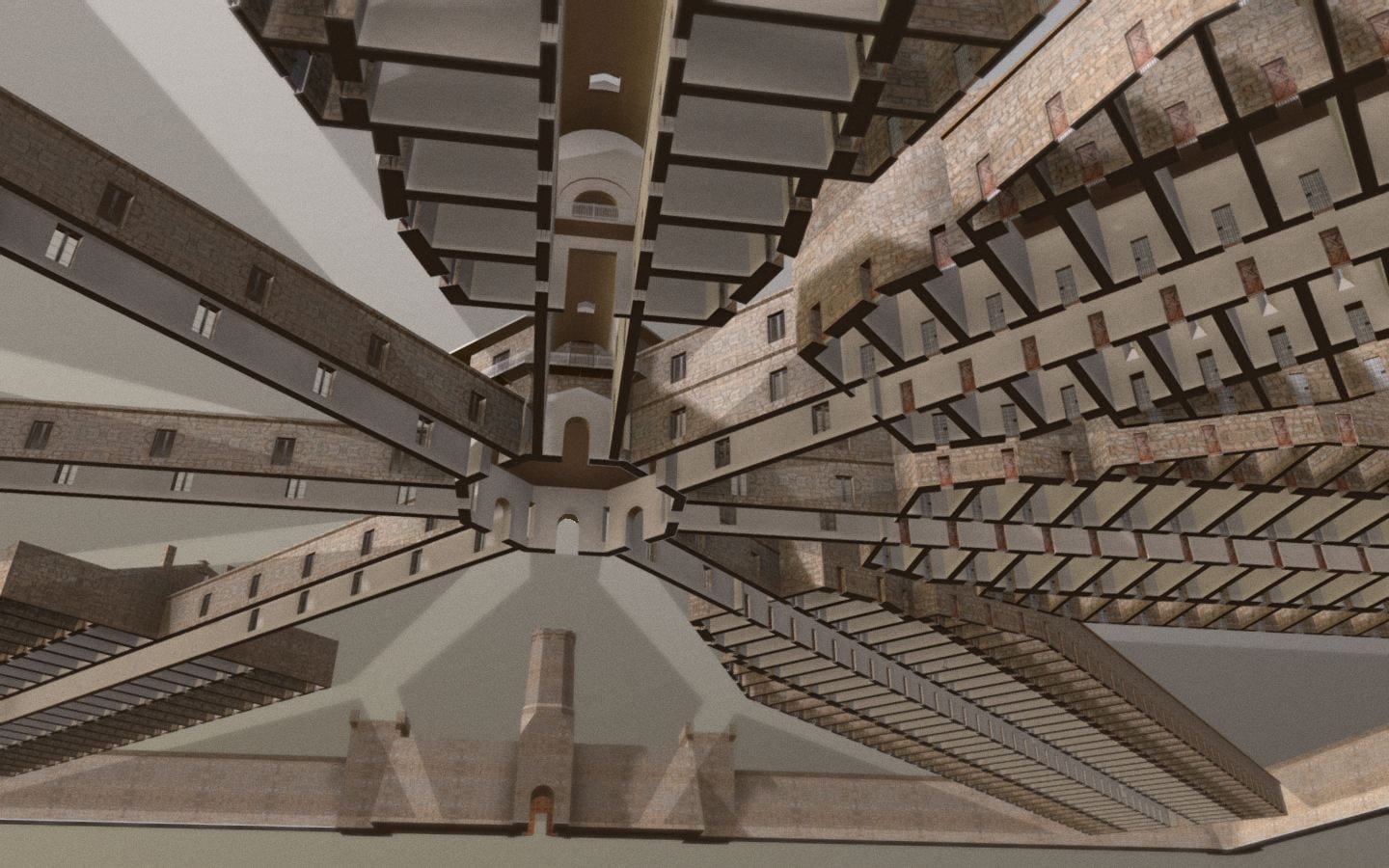
Season 13, Episode 6 of the series Abandoned EngineeringStreamed June 2024 in Britain, July 2024 in America  For British audiences, view the full series here on SkyTV.For U.S. audiences, view the full series here on AppleTV.The series is also being syndicated and translated into 20+ languages for international audiences. A film crew visits and explores the decaying remains of old Essex County Jail in New Jersey, a facility that became a powder keg of injustice that was set to explode in the 1960s Newark rebellions. Learn more about this historic building in our digital exhibit and the oral history video… VIEW PUBLICATION

Eastern State Penitentiary Construction Sequence

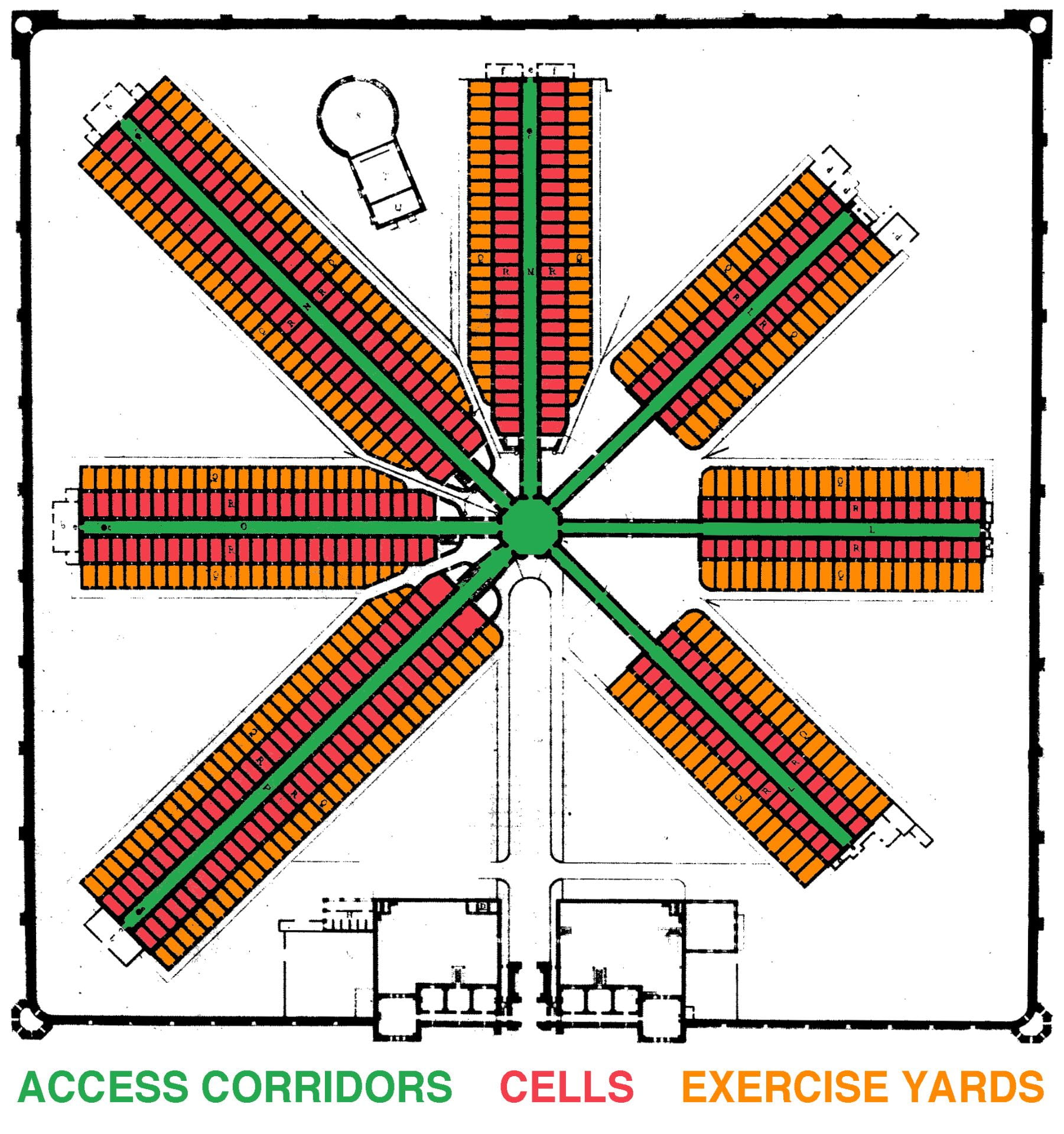
This time-lapse animation with audio narration uses the tools of virtual reality to reconstruct the appearance of Eastern State Penitentiary during each year of its 148 years of operation from 1823 to 1971. This reconstruction is based on original plans and primary sources about the jail’s architecture. It uses film to reveal how the building’s envelope was expanded and modified each decade in response to evolving design philosophies, public attitudes towards incarceration, and the ever-expanding size of today’s carceral state. VIEW PUBLICATION

Time-lapse Animation of Triangle Shirtwaist Factory Fire

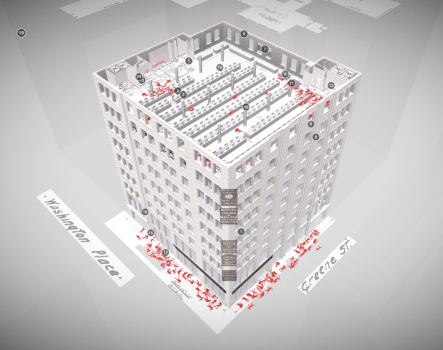
Based on court transcripts, eye witness testimonies, primary sources, and historical maps, this animation reconstructs the workplace conditions and abuses that caused the Triangle Shirtwaist Factory fire. This fire on 25 March 1911, killed 146 garment workers and represents a turning-point moment in the history of organized labor in America. This project is the first – and only – accurate-to-the-inch virtual reality model of the entire factory floor. VIEW PUBLICATION

Cathedral of Beauvais: Sublime Visions; Thwarted Ambitions; A Sketch

Of all the stories of the greatest Gothic cathedrals, the tale of Beauvais is the most exciting. Construction of the Gothic cathedral began in 1225 at a time of bitter turmoil when France was establishing itself as a nation within its familiar modern geographical bounds. Beauvais, the tallest cathedral in France, was never completed, having endured two major collapses and a series of structural crises that continues to this day. Our Sketchup animation follows this dramatic narrative, allowing the viewer to experience and understand the famous collapse that brought down the upper choir in 1284 as well as the underlying… VIEW PUBLICATION

Historical Reconstruction of Ford Model T Assembly Line

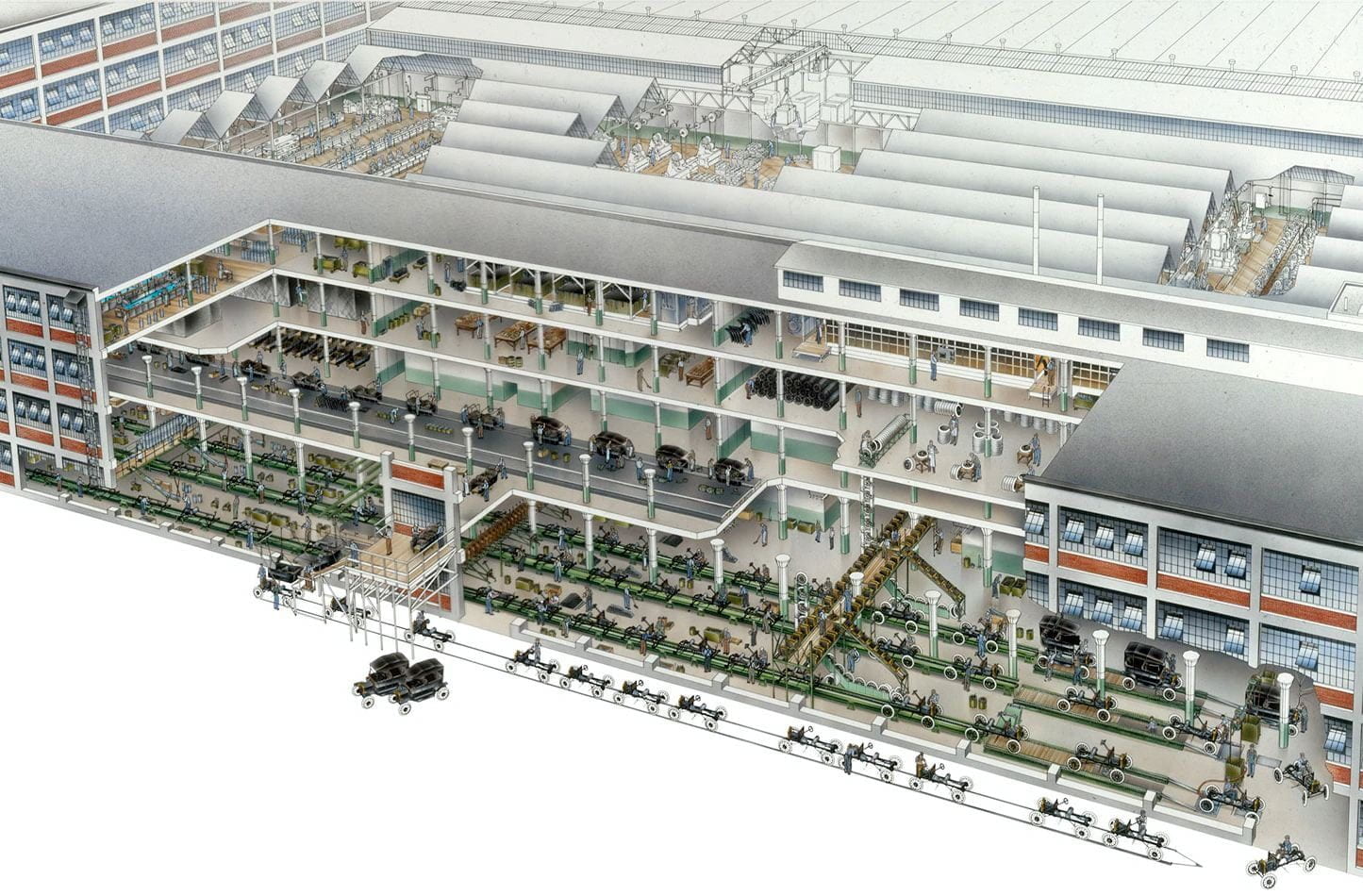
Based on extensive archival documents, this historically-accurate film showcases the assembly of the 1915 Model T Runabout at Ford’s Highland Park factory. This projects represents the first complete visual and cartographic documentation of this manufacturing process from 1908 to 1927. It highlights Ford’s innovative yet evolving assembly line techniques, which revolutionized car production, contrasting with previous methods. VIEW PUBLICATION

Warren Street School Demolition

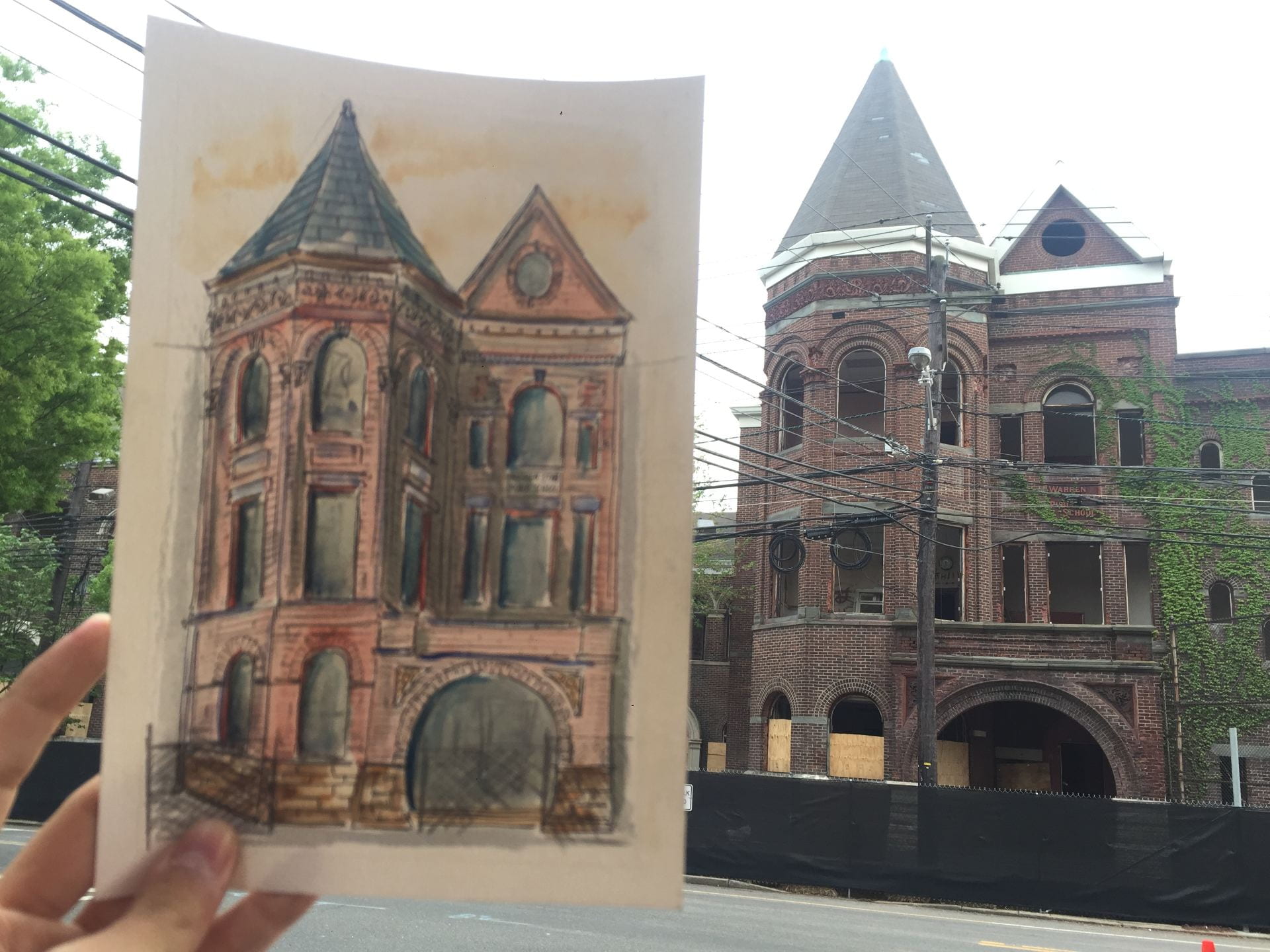
As featured in:1. Darren Tobia for Jersey Digs2. The Vector, NJIT’s student newspaper3. Read my analysis of campus architecture for some context on this demolition. “Those historians want to keep these old bricks. I can’t see why you’d want that s**t. F**k it. We might just slip in some new bricks. You can’t tell the difference anyway.” – Conversation overheard between demolition workers at the Warren Street School “The university has never demolished any historic building of any value. Name one.” – President of the university during a community meeting in October 2020 When walking past the historic Warren Street… VIEW PUBLICATION

Street Grid Development vs. Population Density

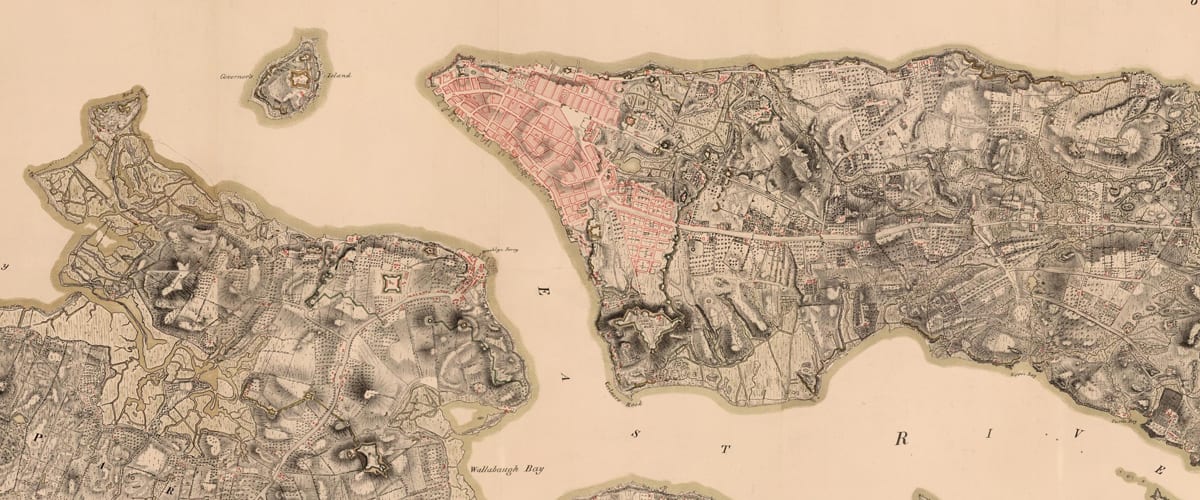
Adapted from Shlomo Angel and Patrick Lamson-Hall’s NYU Stern Urbanization Project,here and here. The animation at left shows street grid development from 1801 to 2011, mapping Manhattan’s gradual expansion north. The animation at right shows the population density over time of each census tract in Manhattan. Notice how Manhattan’s population density rises and peaks around 1900 before falling to present levels. Despite Manhattan’s appearance of being denser and more built up with skyscrapers than ever before, the island actually has a lower population density than a century ago. Before the introduction of subways in the early twentieth century, the difficulties… VIEW PUBLICATION

The Detroit Evolution Animation

Old maps were layered and animated to reveal the scale of Detroit’s transformation from French colonial trading post, to 19th-century boom, to 20th-century decline. Cartography highlights how political policies, technological changes, and the Great Migration accelerated racial segregation and the decline of mass transit. Detroit reflects broader trends seen in American cities. Project developed with historian Robert Fishman for an exhibit and lecture, funded by Egalitarian Metropolis grant from Mellon Foundation. VIEW PUBLICATION

Notre-Dame of Paris Construction Sequence

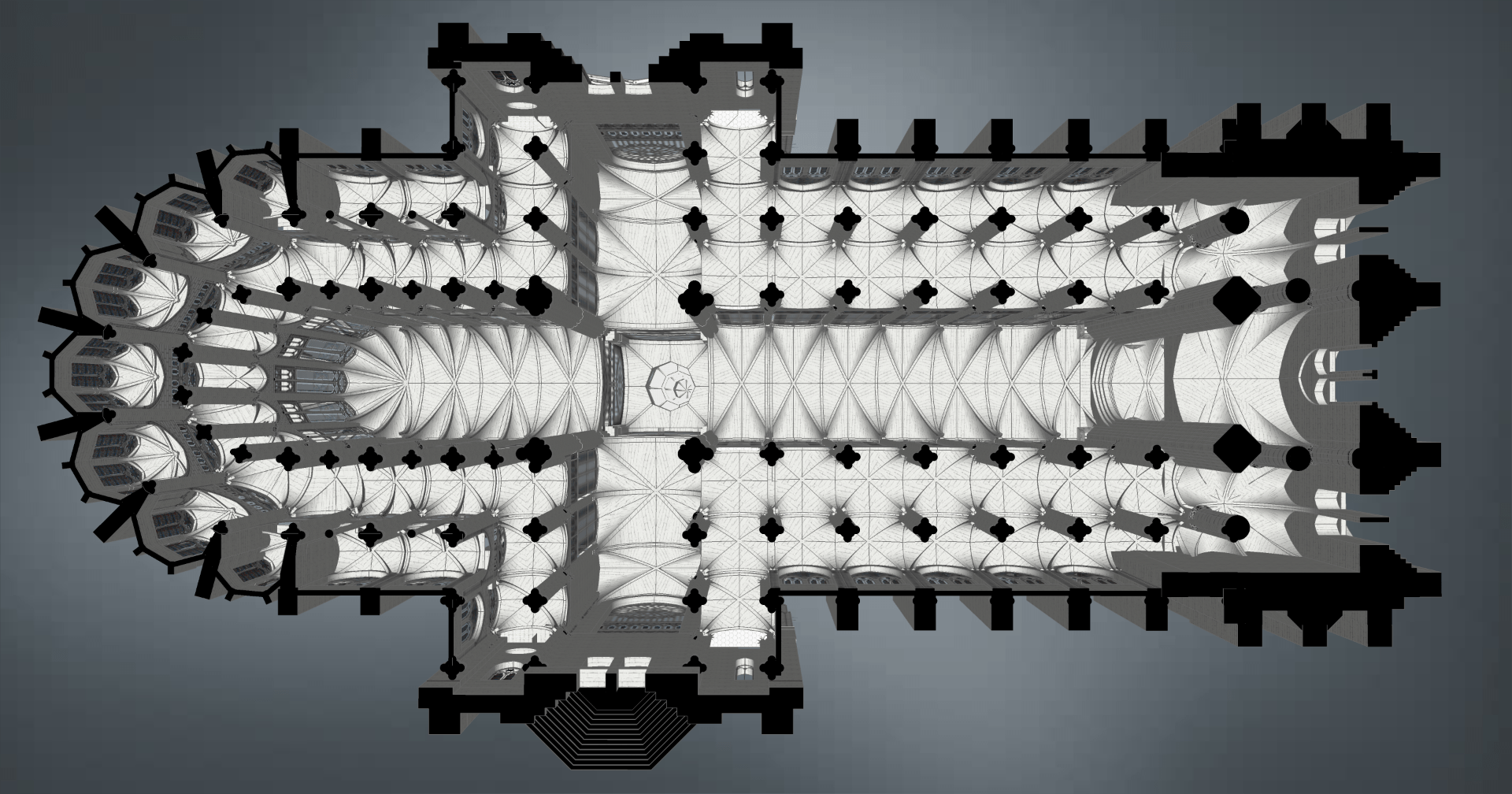
Created with architectural historian Stephen Murray . 1. Construction time-lapse Music: Pérotin, Viderunt Omnes  /  View animation with music only. This construction time-lapse illustrates the history of Notre-Dame from c.1060 to the present day, following ten centuries of construction and reconstruction. Model is based on actual measurements of the cathedral and was peer reviewed for accuracy by scholars at Columbia University’s art history department and at the Friends of Notre-Dame of Paris. The film was created in the computer modeling software SketchUp, based on hand-drawn image textures. The ink drawings of nineteenth-century architect Viollet-le-Duc were scanned and applied to the model surfaces,… VIEW PUBLICATION

Imagining a world after the coronavirus

Co-created with the Architectural League of New York The converging and ongoing crises of COVID-19, climate change, radical economic inequality, pervasive racism, and racist violence require that all systems, infrastructures, and institutions, including architecture, space, and cities, be reimagined. This reimagining must include how and to what ends architecture, landscape architecture, and urban design can act in the world. This workshop, organized by The Architectural League of New York, brought architects, planners, and historians in conversation to listen to each other, identify critical issues, and develop ideas about what might and should be done. After the virus ends, millions will… VIEW PUBLICATION

The time-lapse history of Manhattan in two minutes

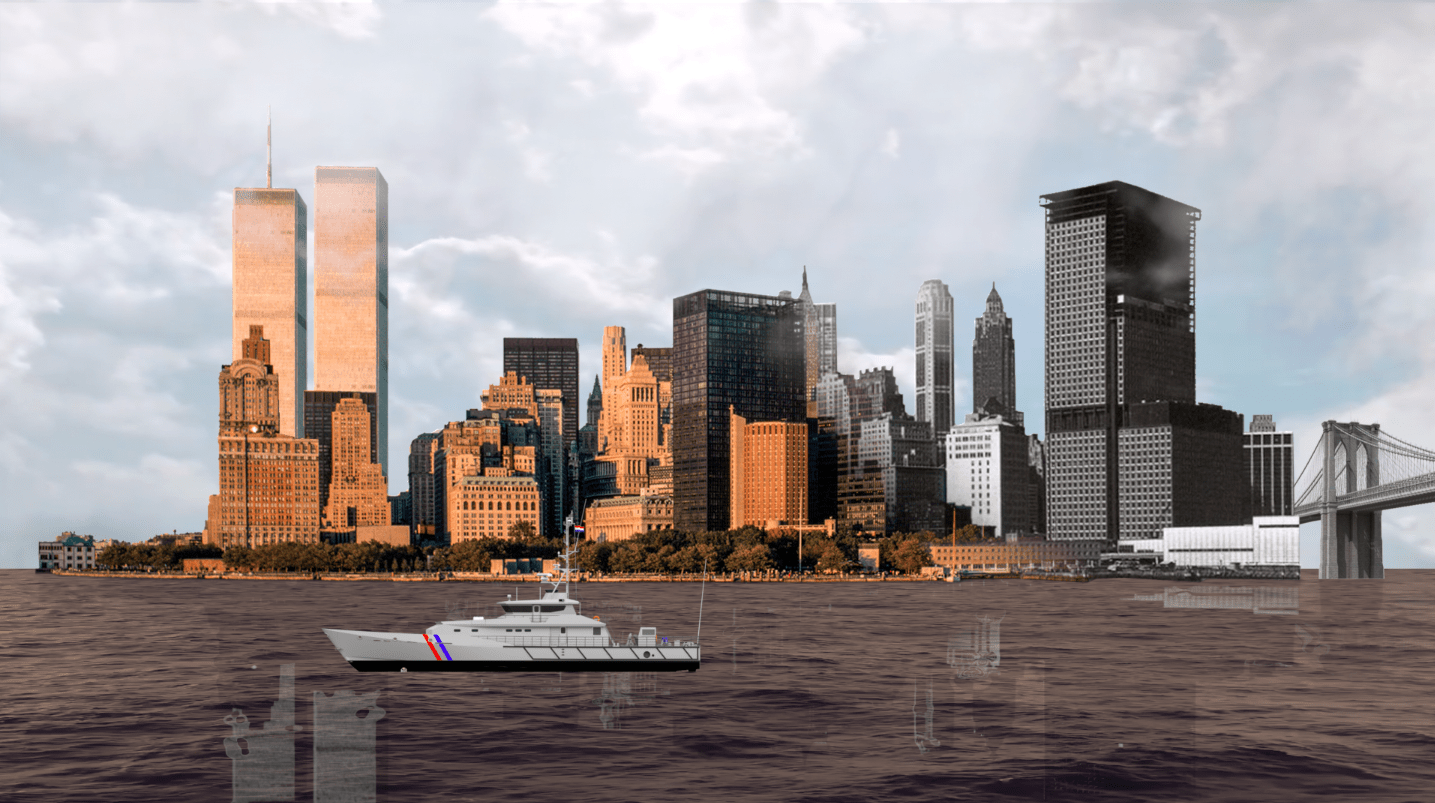
Sound effects from Freesound / Water and cloud effects from YouTube This two minute time-lapse reconstructs the 400 year evolution of Lower Manhattan’s skyline. Watch as the city evolves from a small village into a glistening metropolis. This is also a film about the history of technology. Changing methods of representing urban space influence our perception of time and the city. When New York City was founded, Dutch settlers captured their town’s appearance through seventeenth-century drawings and paintings. As the city grew, people started using printing presses to reproduce images of the city in the eighteenth and nineteenth centuries. In… VIEW PUBLICATION

Excavating Old New York Penn Station

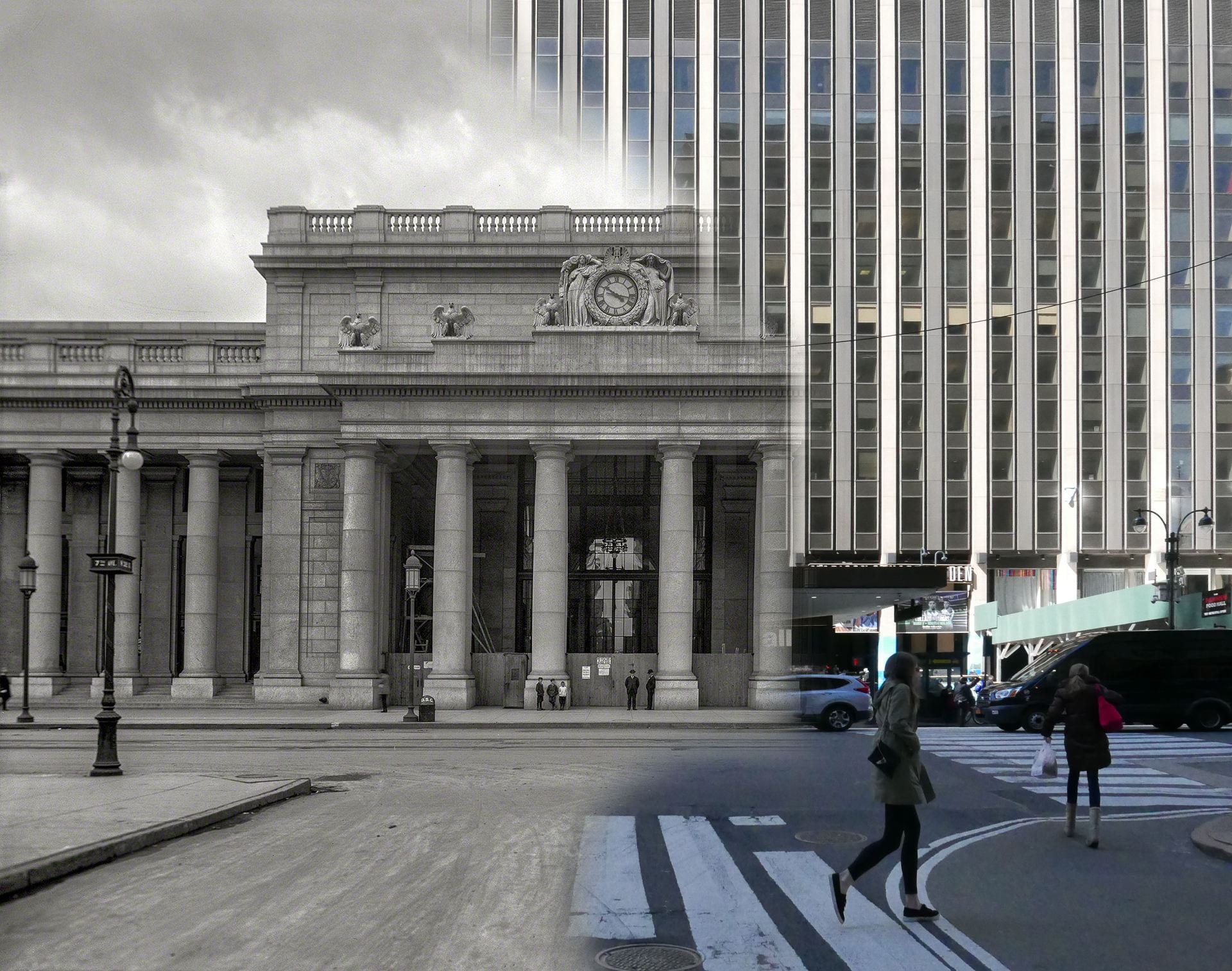
This historical essay and narrated film comparison of past vs. present explores the historical significance and transformation of Pennsylvania Station in New York City. Originally a grand architectural masterpiece from 1910 that embodied neoclassical design and values, the station was demolished in the 1960s, in order to build a modern structure that lacks its predecessor’s grandeur. This shift reflects both economic decisions and the ongoing struggle between community and capital to shape the future of New York City’s public spaces. VIEW PUBLICATION

St. Paul’s Cathedral Dome: a synthesis of engineering and art

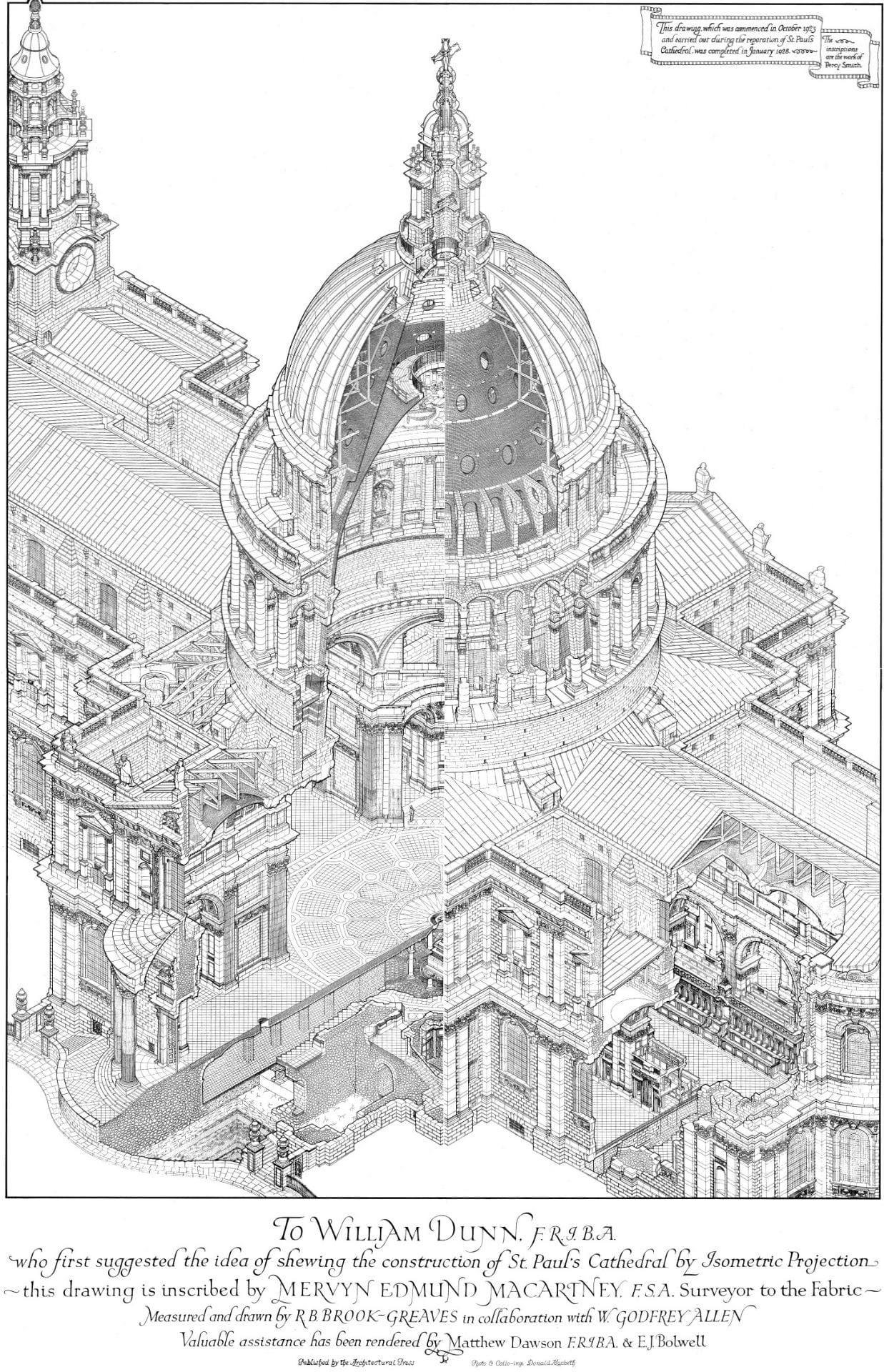
This time-lapse construction sequence in film and historical essay analyzes how architect Christopher Wren synthesized engineering and art to create this cathedral. The essay analyzes St. Paul’s Cathedral, highlighting its architectural significance through the lens of Eugène-Emmanuel Viollet-le-Duc’s thesis-antithesis-synthesis framework. St. Paul’s is a blend of advanced engineering and artistic expression reflective of Enlightenment thought, showcasing innovation in design and construction while mirroring cultural shifts in London at the time. VIEW PUBLICATION

A Medieval Mask on a Modern Prison

This research presented at the University of Cambridge examines the Eastern State Penitentiary, designed by John Haviland in 1829. The study explores the complex relationship between its Gothic architecture and the goals of reform, analyzing the dual audience of inmates and visitors. This essay analyzes the symbolic and cultural reasons behind the fortress-like and medieval appearance of Eastern State Penitentiary in 19th-century Philadelphia. More than a purely random choice, the aesthetic qualities of Gothic reflect the beliefs and prejudices of the people who managed this prison of solitary confinement.

VIEW PUBLICATION

The Berlin Evolution Animation

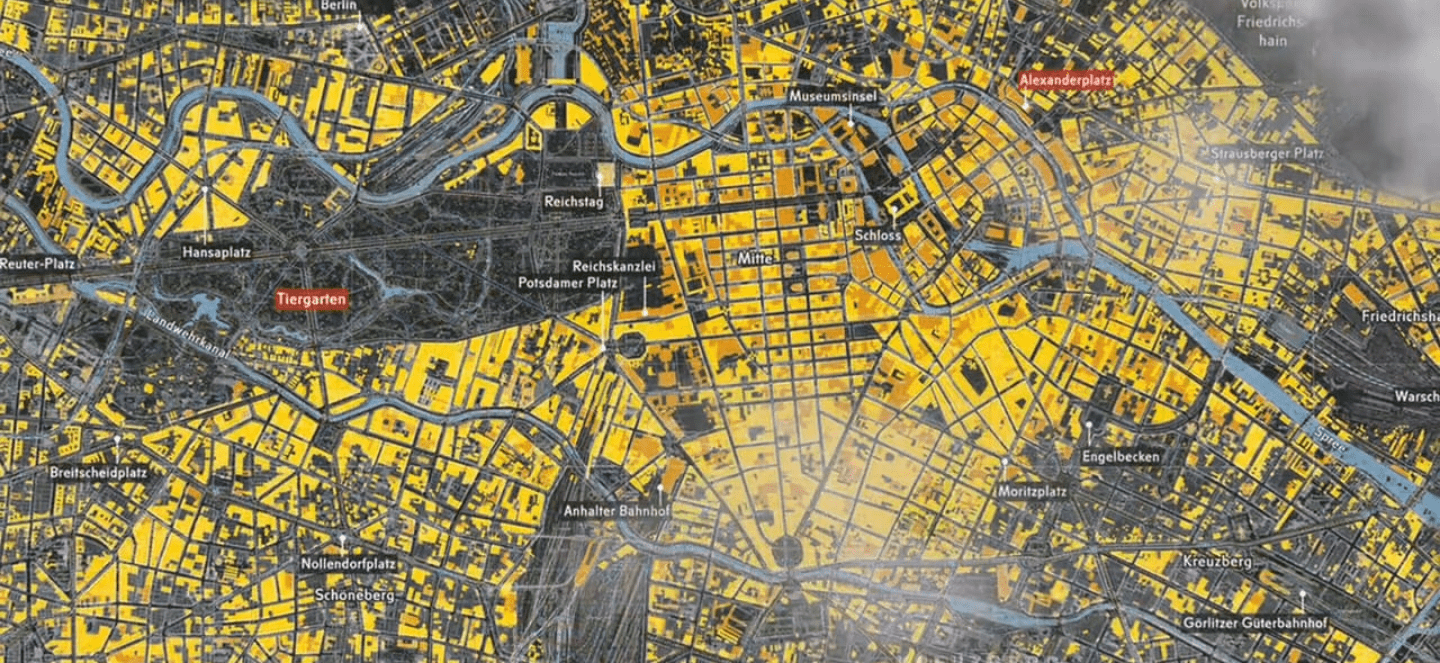
Abstract: The Berlin Evolution Animation visualizes the development of this city’s street network and infrastructure from 1415 to the present-day, using an overlay of historic maps. The resulting short film presents a series of 17 “cartographic snapshots” of the urban area at intervals of every 30-40 years. This process highlights Berlin’s urban development over 600 years, the rapid explosion of industry and population in the nineteenth-century, followed by the destruction and violence of two world wars and then the Cold War on Berlin’s urban fabric. VIEW PUBLICATION

New York City Water Supply: animated history

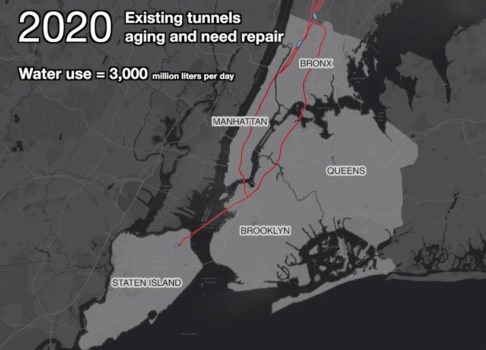
This film uses time-lapse cartography from the 19th-century to the present to highlight the city’s ongoing struggle for clean water amidst growing urban challenges. New York City supplies unfiltered drinking water to nine million people, sourcing it from 2,000 square miles in Upstate New York through extensive aqueducts. This vital infrastructure, while integral to the city, remains largely unnoticed and buried just beneath our feet. VIEW PUBLICATION

Virtual Reality Computer Model of Jeremy Bentham’s Panopticon

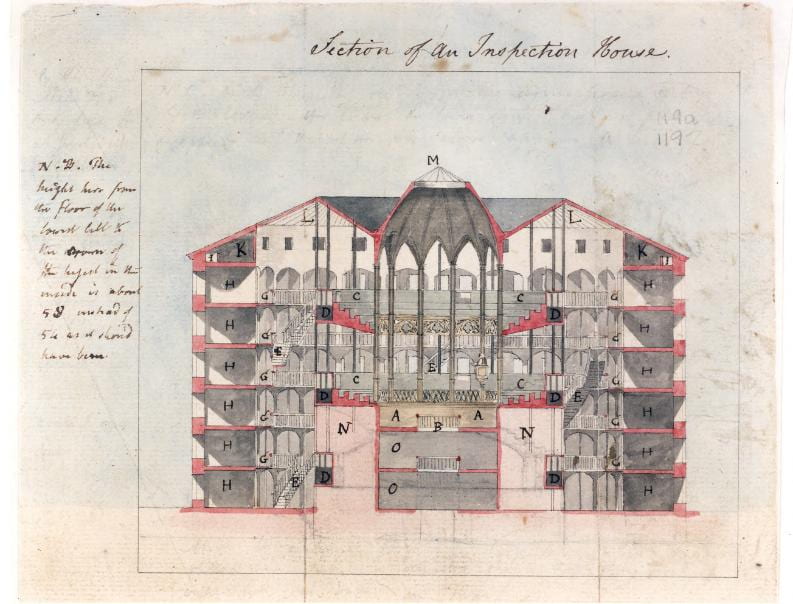
Created at the University of Cambridge: Department of ArchitectureAs part of my Master’s thesis in Architecture and Urban Studies, as featured by: – Special Collections department at University College London– Open Culture– Tomorrow City– Aeon: a world of ideas 1. Animation This project translates Jeremy Bentham’s architecture for the digital age. Since the 1790s, Jeremy Bentham’s panopticon remains an influential building and representation of power relations. Yet no structure was ever built to the exact dimensions Bentham provides. Based on Bentham’s panopticon letters and drawings he commissioned at University College London, I followed his directions and descriptions to construct an exact… VIEW PUBLICATION

New York City in a Box

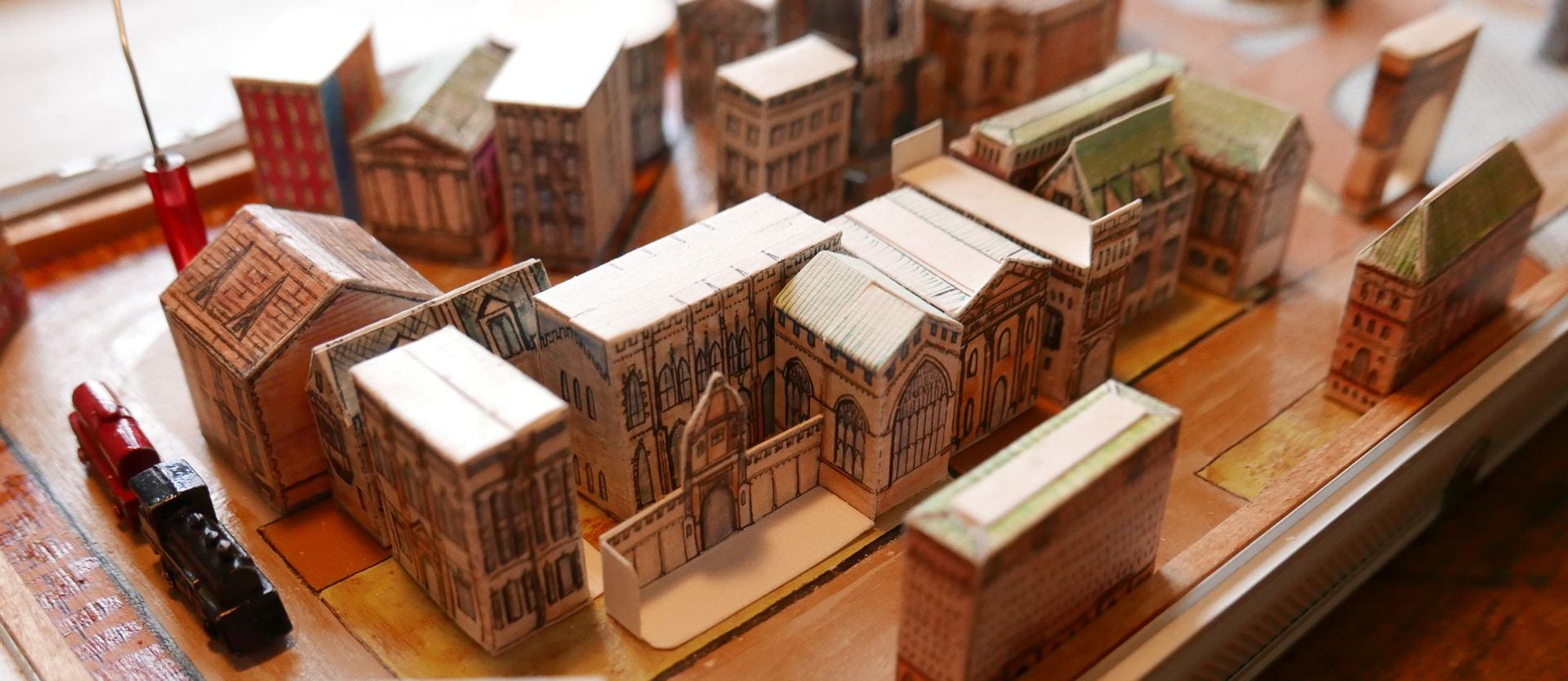
As featured in this article from Live Auctioneers Hand-crank and music box recording from Freesound Inspired by the Stettheimer Dollhouse at the Museum of the City of New York, this pop up model in a recycled metal box (measuring 8 inches wide by 15.5 long and 2.5 deep) reveals a miniature world of New York City architecture and landmarks within. About 30 buildings made from hand cut paper and tin are spread across a flat ground of painted streets. Each building is made from a single sheet of paper that is cut and folded like origami to create different shapes… VIEW PUBLICATION

California Waterscape: time-lapse history of water supply

This time-lapse film visualizes the evolution of this state’s water delivery infrastructure from 1913 to 2019 through geo-referenced data on aqueducts, reservoir capacities, and land use. The animated film showcases population growth, urbanization, and agricultural demands, presenting cartographic snapshots that reflect the state’s increasing water needs over the decades. VIEW PUBLICATION
Here Grows New York City

 Music: “The Language of Cities” by Maserati 1. The Animation Here Grows New York visually animates the development of this city’s street grid and environment from 1609 to the present day, using geo-referenced road network data, historic maps, and geological surveys. The resulting short film presents a series of “cartographic snapshots” of the built-up environment at intervals of every 20 to 30 years in history. This process highlights the organic spurts of growth and movement that typify New York’s and most cities’ development through time. The result is an abstract representation of urbanism. Featured in: – Wikipedia – Laughing Squid  … VIEW PUBLICATION

Exhibition Design for the Old Essex County Jail

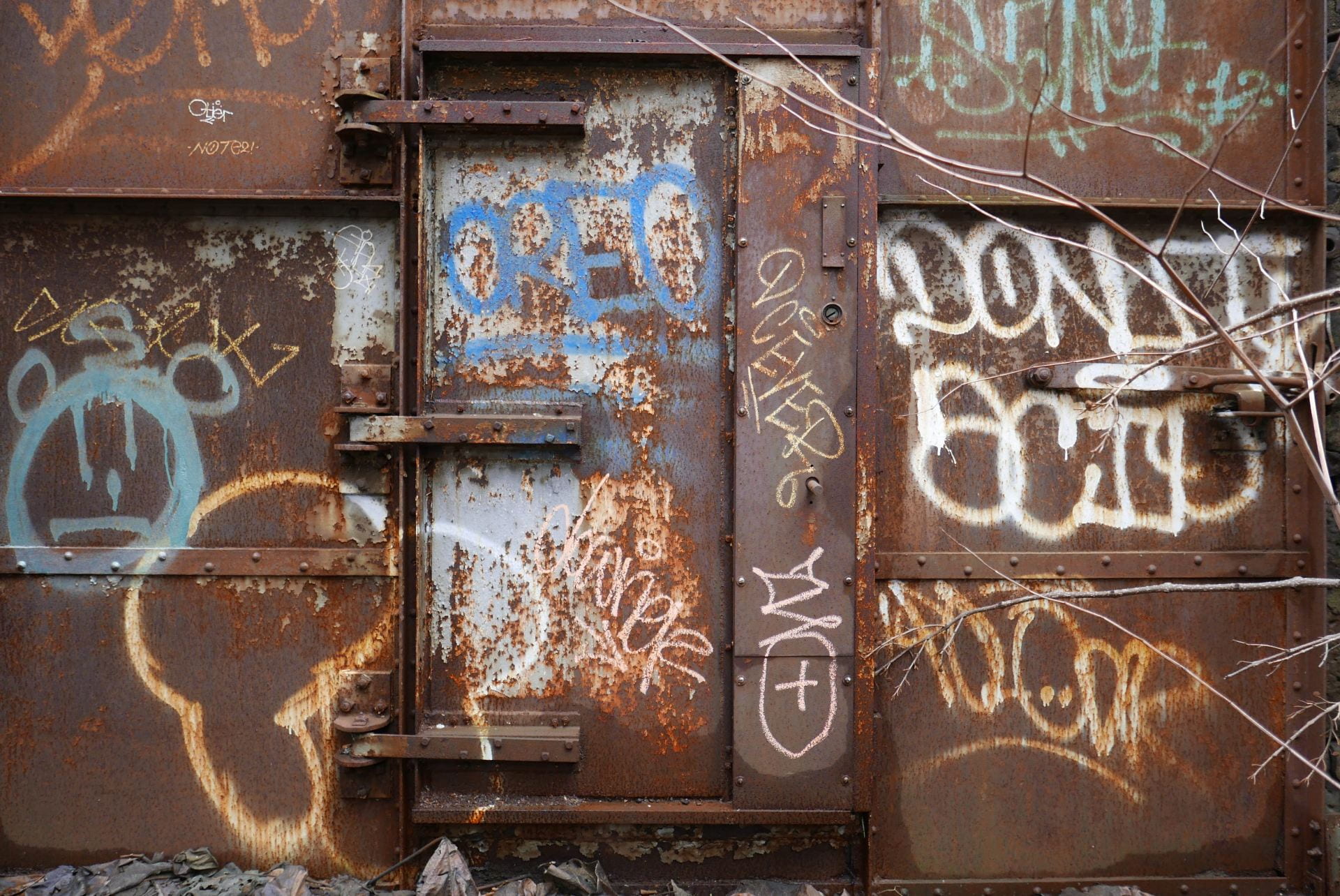
Developed in collaboration with Newark Landmarksand the master’s program in historic preservation at Columbia University’s Graduate School of Architecture, Planning, and Preservation Since 1971, the old Essex County Jail has sat abandoned and decaying in Newark’s University Heights neighborhood. Expanded in stages since 1837, this jail is among the oldest government structures in Newark and is on the National Register of Historic Places. The building needs investment and a vision for transforming decay into a symbol of urban regeneration. As a youth in Newark, I explored and painted this jail, and therefore feel a personal investment in the history of this… VIEW PUBLICATION

24 Hours in the London Underground

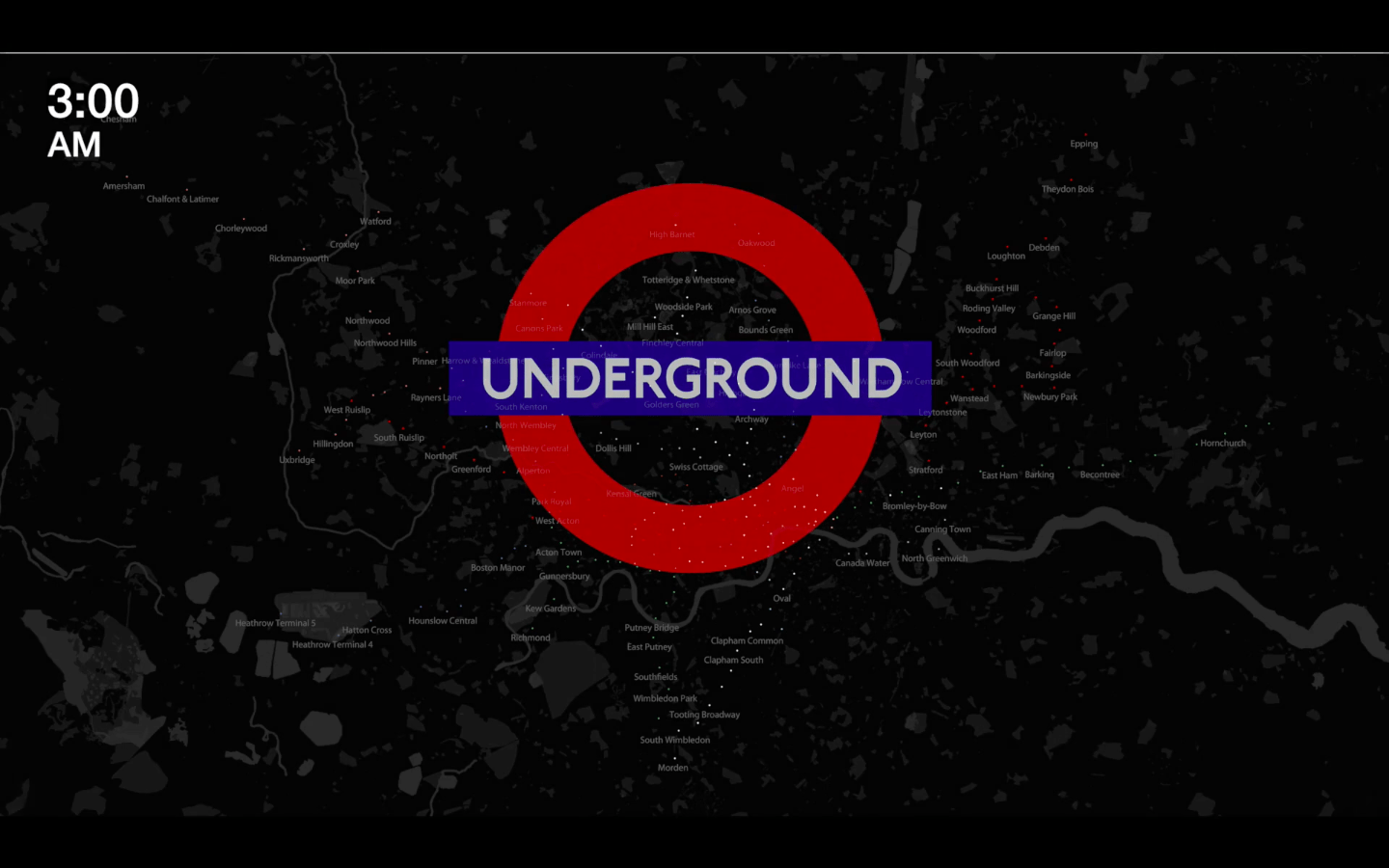
Audio effect: Heartbeat from Freesound Through analyzing 25,440 data points collected from 265 stations, this animation visualizes commuting patterns in the London Underground over two weeks in 2010. Each colored dot is one underground station. The dots pulsate larger and smaller in mathematical proportion to the number of riders passing through. Big dots for busy stations. Small dots for less busy stations. Dot color represents the lines serving each station. White dots are for stations where three or more lines intersect. Each dot pulsates twice in a day: Once during the morning commute; and again during the evening commute. By… VIEW PUBLICATION

Northeast Corridor railroad time-lapse

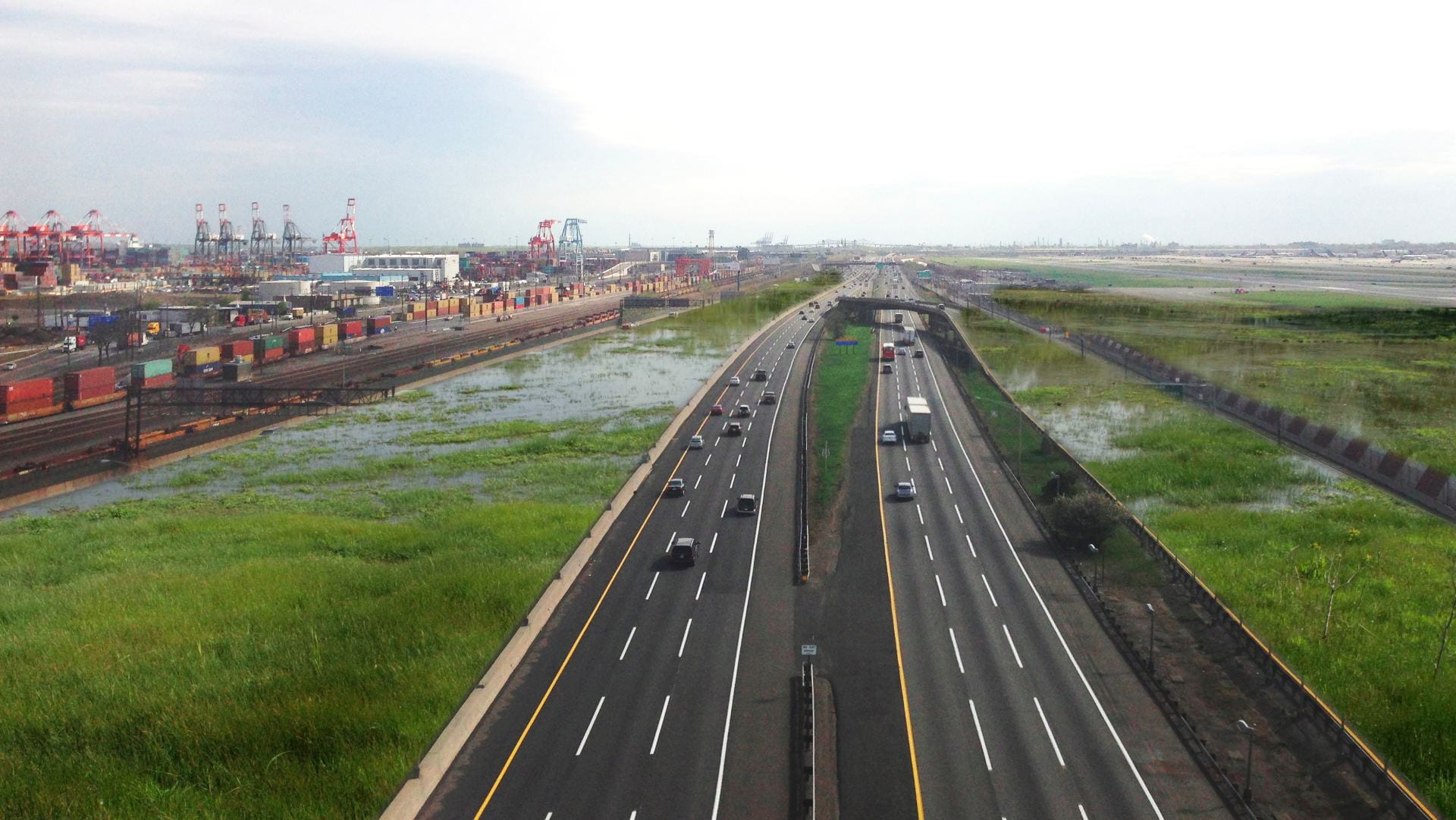
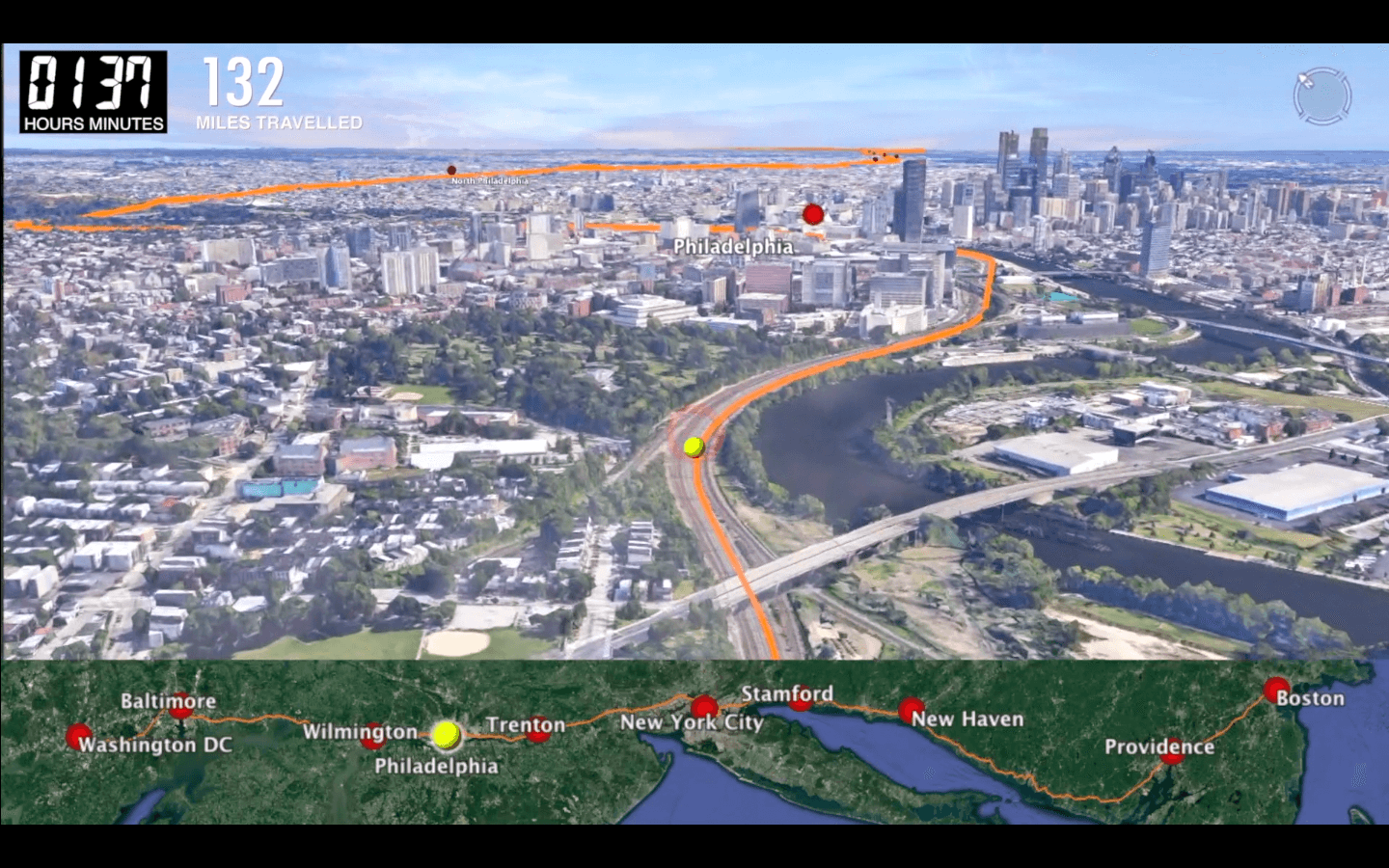
Audio effects from Freesound; music is Metamorphosis by Philip Glass The Northeast Corridor is the busiest passenger railroad in North America. This drone flight follows a high-speed Acela train making this 456 mile journey from Washington D.C. to Boston via Baltimore, Wilmington, Philadelphia, Trenton, Newark, New York City, Stamford, New Haven, and Providence. This animation was created from Google Earth satellite imagery. I traced the Northeast Corridor route onto the ground, and I then programmed the computer to follow this route. I then added the inset map, sound effects, and clock in post-production. The above animation is condensed. View the full… VIEW PUBLICATION

New York City Subway Ridership

Created with data from the MTA.Published by Gothamist on 22 January 2019.Related: my data visualization of London Underground commuting patterns. The visual language of data addresses a deeper need to humanize and soften the concrete jungle. Sounds of breathing, heartbeat, and subway from Freesound In this animation based on subway ridership statistics by station: ● Dots are color-coded according to the subway lines they serve. ● White dots are for junctions between two or more lines of different color. ● Dot size corresponds to the number of riders entering each station within a 24 hour period. ● Larger dots are for… VIEW PUBLICATION

Where in the world is modernism?

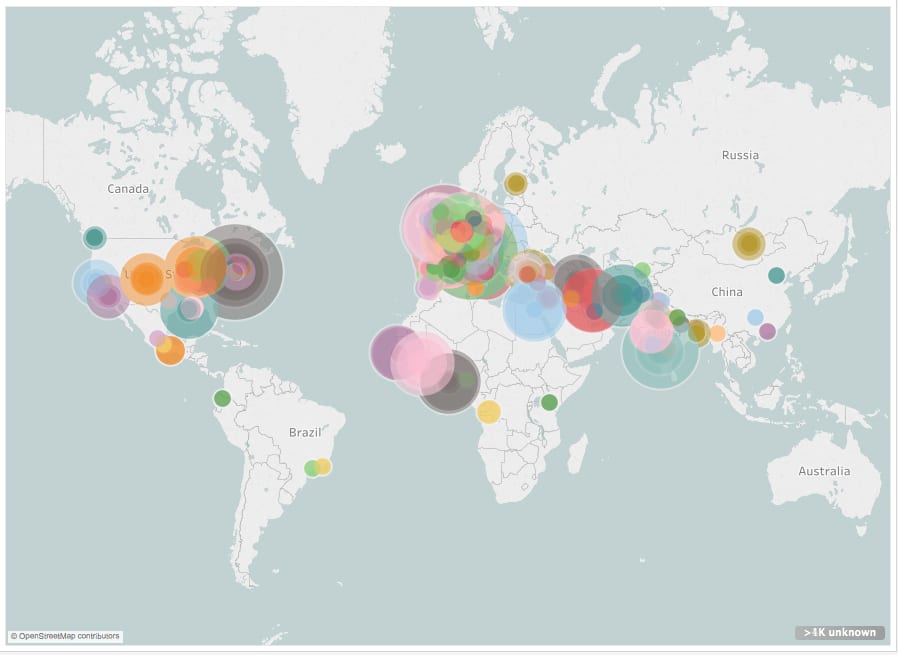
What if the nationality of every artist represented in the Museum of Modern Art’s collections were mapped to illustrate the museum’s evolving geographic diversity through time? Watch the data visualization below of 121,823 works at MoMA. Introduction “The Museum of Modern Art (MoMA) acquired its first artworks in 1929, the year it was established. Today, the Museum’s evolving collection contains almost 200,000 works from around the world spanning the last 150 years. The collection includes an ever-expanding range of visual expression, including painting, sculpture, printmaking, drawing, photography, architecture, design, film, and media and performance art. “MoMA is committed to helping… VIEW PUBLICATION

A History of Historic Preservation in New York City

Developed with historian Kenneth Jackson. Data analysis of NYC landmarks since 1965 reveals trends and biases in the landmarks preservation movement. The data analysis of NYC landmarks from 1965 to 2019 shows evolving trends in historic preservation, highlighting economic disparities and biases favoring wealthier neighborhoods. The study indicates a higher concentration of preserved sites pre-1945, challenging the preservation movement’s effectiveness against gentrification and questioning its responsiveness to modern architectural significance. VIEW PUBLICATION
The Geography of Art History

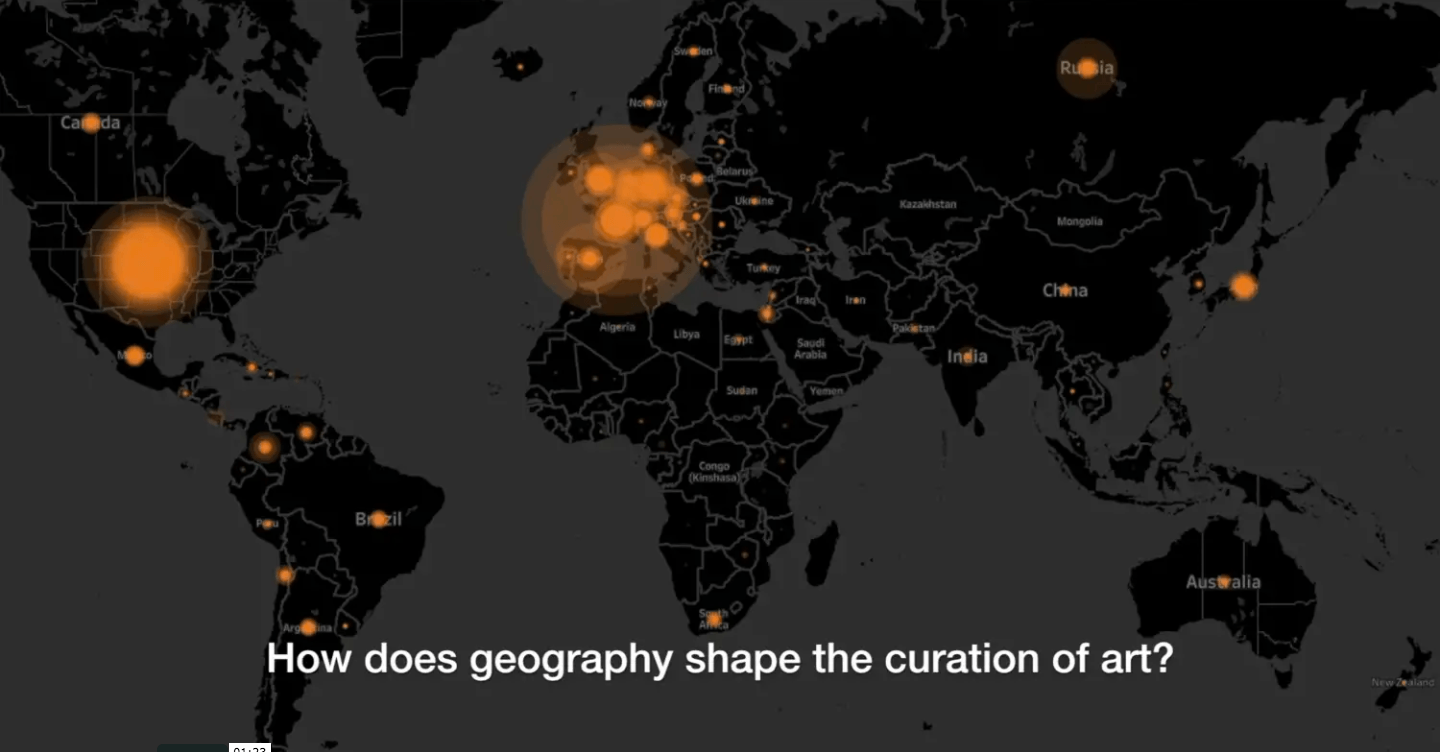
According to the Metropolitan Museum of Art Related: Data analysis and visualization of 120,000 works in the Museum of Modern Art In this film, each colored dot indicates one location represented by art in the Met’s online database. Dot location indicates artwork provenance. Dot size indicates the number of objects from this place. The time each dot appears corresponds to the year this work was created. This data is assumed to be an accurate sample size. Over the past few years, the Metropolitan Museum has catalogued over 25% of its holdings online. This represents ~590,000 objects, covering over 5,000 years… VIEW PUBLICATION

Columbia University Artwork

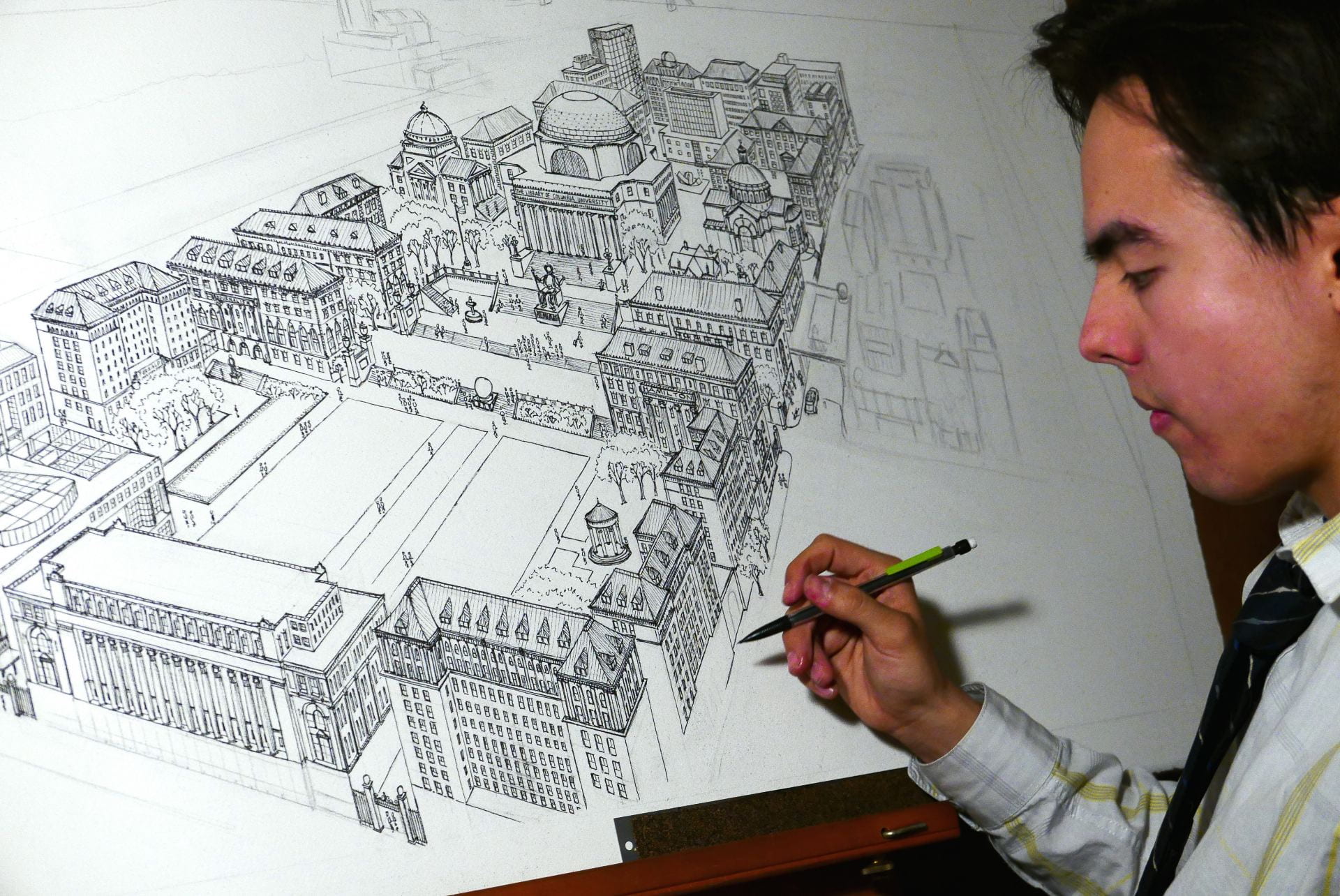
Featured in: – The Columbia Daily Spectator in September 2016 – The Columbia student newspaper in October 2016 – The 2018-19 edition of the Asia Pacific Affairs Council journal – And the Columbia College Today alumni magazine in winter 2019-20 (last page) and summer 2022 (pages 18-22) A map of campus This ink and watercolor drawing shows every building, window, and architectural detail on campus. The number of windows on each façade are faithful to reality. There are at least 2,000 windows. The perspective was formed from Google Earth satellite and street view images. The image measures 26 by 40… VIEW PUBLICATION